Anúncios
Crochet is more than just a hobby—it’s a timeless craft that combines creativity, relaxation, and the joy of making something beautiful with your own hands. ✨


Whether you’re looking to create cozy blankets, stylish scarves, or adorable amigurumi toys, learning crochet opens up a world of endless possibilities. The best part? You don’t need years of practice to get started. With just a few basic techniques and some patience, anyone can master this rewarding craft.
Anúncios
This comprehensive guide will walk you through everything you need to know to begin your crochet journey. From selecting your first hook to completing your first project, we’ll break down each step into simple, manageable parts that even absolute beginners can follow with confidence.
🧶 Why Learning Crochet Is Easier Than You Think
Many people assume crochet is complicated, but it’s actually one of the most beginner-friendly crafts available. Unlike knitting, which requires managing multiple stitches on two needles simultaneously, crochet typically works with one active loop at a time. This makes it much easier to track your progress and fix mistakes.
Anúncios
The fundamental nature of crochet means you’re building upon just a handful of basic stitches. Once you’ve mastered the chain stitch, single crochet, and double crochet, you’ve essentially unlocked 90% of crochet patterns. Everything else is simply a variation or combination of these foundational techniques.
Another advantage is that crochet is incredibly portable. You can take your project anywhere—on the bus, to a coffee shop, or while watching your favorite shows. It’s the perfect activity for making productive use of downtime while creating something meaningful.
🛍️ Gathering Your Essential Supplies
Before diving into your first stitches, you’ll need to gather a few basic supplies. The good news is that crochet doesn’t require a massive investment. In fact, you can start with just two items: a crochet hook and some yarn.
Choosing Your First Crochet Hook
Crochet hooks come in various sizes, materials, and styles. For beginners, a medium-sized hook (around 5mm or size H/8) is ideal because it’s comfortable to hold and works well with most medium-weight yarns. Aluminum or bamboo hooks are excellent choices—they’re smooth, affordable, and easy to work with.
Avoid hooks that are too small when you’re just starting out. Tiny hooks require more precision and can make learning frustrating. Stick with a comfortable mid-range size until you’ve built confidence with your tension and technique.
Selecting the Right Yarn
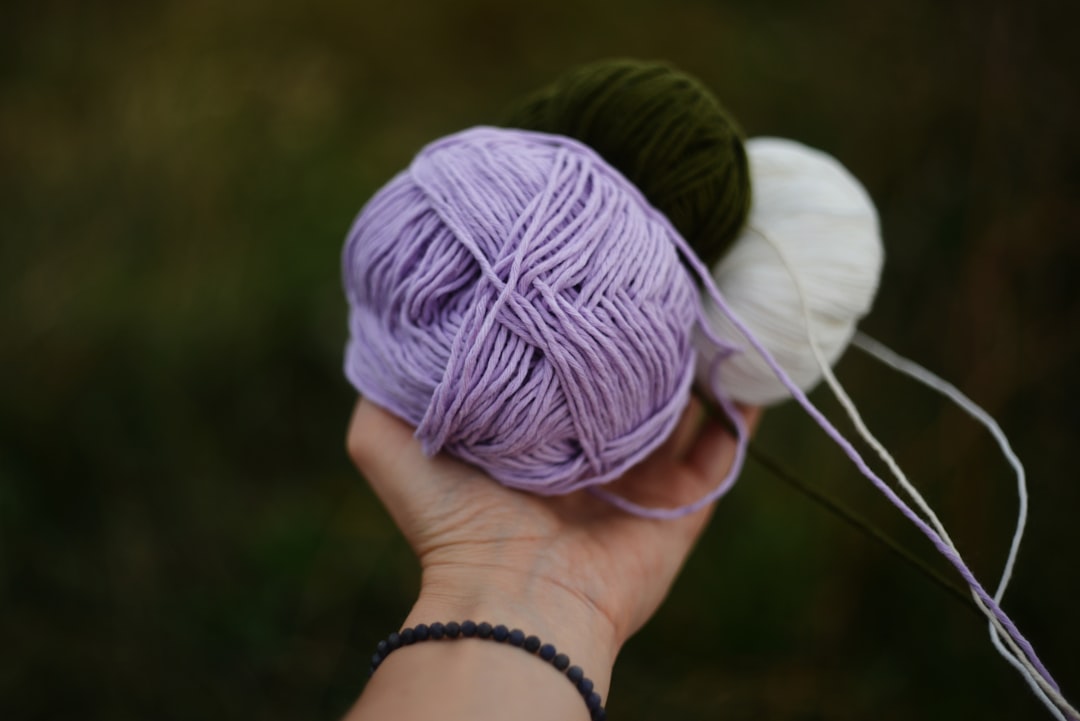
Not all yarns are created equal, especially when you’re learning. Choose a smooth, medium-weight yarn (often labeled as “worsted weight” or “4-medium”) in a light color. Light colors make it much easier to see your individual stitches, which is crucial when you’re learning stitch structure.
Avoid novelty yarns, fuzzy textures, or dark colors for your first projects. These can obscure your stitches and make it difficult to identify mistakes. Save those fun yarns for later when you’re more comfortable with the basics.
🔗 Mastering the Foundation Chain
Every crochet project begins with a foundation chain—a series of connected loops that form the base of your work. Think of it as the starting point from which all your stitches will grow.
To create a slip knot (your very first loop), make a simple loop with your yarn, then pull the working yarn through that loop. Slide this onto your hook—congratulations, you’ve just created the beginning of your crochet journey! 🎉
Now for the chain stitch itself: yarn over (wrap the yarn over your hook from back to front), then pull that yarn through the loop on your hook. You’ve made one chain stitch! Repeat this process, and you’ll see a series of connected “V” shapes forming. These are your chain stitches.
Practice making chains until the motion feels natural. Your tension—how tightly or loosely you hold the yarn—will develop with time. Don’t worry if your first chains look uneven; this is completely normal and will improve with practice.
✨ Learning Your First Real Stitch: Single Crochet
The single crochet (abbreviated as “sc”) is the most fundamental stitch in crochet. It creates a tight, sturdy fabric and appears in countless patterns. Once you understand this stitch, you’ll be able to create simple projects like dishcloths, scarves, and more.
Here’s how to work a single crochet stitch: First, insert your hook into the second chain from your hook (not the loop that’s already on your hook—skip that one). Yarn over and pull up a loop. You should now have two loops on your hook. Yarn over again and pull through both loops. You’ve completed one single crochet stitch!
Continue working one single crochet into each chain across your foundation. When you reach the end, you’ll need to turn your work. Chain one (this is called a “turning chain”), flip your work over, and begin working back across the row you just created.
The key to single crochet is identifying where to insert your hook in subsequent rows. Look for the “V” shape at the top of each stitch from your previous row. Insert your hook under both legs of that “V” to maintain consistent stitches.
📈 Progressing to Double Crochet
Once single crochet feels comfortable, it’s time to learn double crochet (abbreviated as “dc”). This stitch works up faster than single crochet and creates a more open, flexible fabric. It’s perfect for blankets, garments, and decorative items.
The double crochet starts differently than single crochet: yarn over before inserting your hook into the stitch. Then insert your hook into the fourth chain from your hook (when starting from a foundation chain), yarn over, and pull up a loop. Now you have three loops on your hook.
Yarn over and pull through the first two loops on your hook (you’ll have two loops remaining). Yarn over again and pull through the remaining two loops. That’s one complete double crochet stitch! The extra yarn-over at the beginning creates the additional height that makes double crochet taller than single crochet.
When turning your work in double crochet, you’ll need to chain three instead of one. These three chains count as your first double crochet of the new row, so you’ll skip the first stitch and work your first actual stitch into the second stitch.
🎯 Understanding Tension and Gauge
Tension—also called gauge—refers to how tightly or loosely you crochet. It’s one of the most important factors in determining how your finished project will look and whether it will match the intended size.
Everyone crochets with slightly different tension, and that’s perfectly fine. What matters is maintaining consistent tension throughout a project. If you start loose and gradually tighten up, your work will look uneven. The solution? Practice, practice, practice.
Many patterns include a gauge swatch recommendation, which tells you how many stitches and rows should fit into a 4-inch square. While this might seem tedious, creating a gauge swatch before starting a large project (especially garments) can save you from disappointment later.
If your gauge is too tight, try moving up to a larger hook size. If it’s too loose, try a smaller hook. Remember that gauge matters most for fitted items like sweaters or hats, and less for projects like blankets or scarves.
🧩 Reading Your First Crochet Pattern
Crochet patterns might look like a foreign language at first glance, but they’re actually quite logical once you understand the abbreviation system. Most patterns use standardized abbreviations to save space and make instructions clearer.
Common abbreviations include: ch (chain), sc (single crochet), dc (double crochet), st (stitch), rep (repeat), and sp (space). Numbers in parentheses usually indicate stitch counts, while asterisks (*) mark sections that should be repeated.
Start with simple patterns labeled “beginner” or “easy.” These typically use basic stitches and simple construction. As you gain confidence, you can gradually tackle more complex patterns with stitch combinations, shaping techniques, and intricate designs.
Don’t be afraid to write notes on your patterns or use stitch markers to track your progress. Many crocheters annotate their patterns heavily, and this is a smart strategy for avoiding mistakes and staying organized.
🌟 Your First Complete Project Ideas
Choosing the right first project can make all the difference in maintaining motivation and building confidence. The best beginner projects are small, use simple stitches, and don’t require shaping or complicated finishing techniques.
The Classic Dishcloth
A square dishcloth is perhaps the perfect first project. It’s small enough to complete quickly, giving you that satisfying sense of accomplishment. Plus, it’s practical—you’ll actually use what you make! Work in single crochet or double crochet until you have a square, then fasten off. Simple and satisfying.
A Cozy Scarf
Scarves are another excellent beginner option. They’re essentially just long rectangles, so you’re practicing the same stitches repeatedly without any complicated shaping. Choose a soft, luxurious yarn to make something you’ll genuinely want to wear.
Granny Squares
The iconic granny square teaches you how to work in the round—a fundamental skill for many crochet projects. These colorful squares can be joined together to create blankets, bags, pillows, and more. Start with one square, then challenge yourself to make several and join them together.
🔧 Troubleshooting Common Beginner Mistakes
Every crocheter makes mistakes, especially when learning. The good news is that most common problems have simple solutions, and recognizing these issues early helps you develop better technique.
Your Work Is Getting Wider or Narrower
This usually happens when you accidentally increase or decrease stitches. You might be working into the turning chain when you shouldn’t, or missing the last stitch of each row. Count your stitches frequently at the beginning of each row to catch this early.
Your Edges Look Messy
Uneven edges are extremely common for beginners. Make sure you’re working into the correct stitch at the beginning and end of each row. The first and last stitches are easy to miss, so pay extra attention to them until it becomes automatic.
Your Stitches Are Too Tight or Too Loose
Tension issues resolve with practice, but you can help yourself by ensuring you’re holding your yarn comfortably and not gripping your hook like you’re trying to strangle it. Relax your hands, take breaks, and let the rhythm develop naturally.
💡 Helpful Resources and Learning Tools
In today’s digital age, learning crochet has never been easier. Beyond traditional books and in-person classes, you have access to countless online resources that can accelerate your learning.
Video tutorials are invaluable for visual learners. Seeing someone demonstrate a stitch in real-time, from multiple angles, can clarify techniques that seem confusing in written instructions. Pause, rewind, and rewatch as many times as you need.
Mobile apps dedicated to crochet offer patterns, stitch guides, and project tracking features all in one place. These tools can help you stay organized, learn new techniques, and connect with other crocheters in the community.
Online communities like forums, social media groups, and video platforms provide support, inspiration, and answers to your questions. Don’t hesitate to ask for help—the crochet community is known for being welcoming and supportive of beginners.
🎨 Exploring Color and Creativity
Once you’re comfortable with basic stitches, you can start exploring the creative side of crochet. Color selection dramatically impacts the look of your finished piece, and experimenting with different combinations keeps the craft exciting.
Start simple by creating striped patterns—just change colors at the end of a row. As you progress, you can explore more advanced color work techniques like tapestry crochet, where you carry multiple colors and create intricate designs.
Don’t feel pressured to follow pattern color suggestions exactly. Part of the joy of crochet is making each project uniquely yours. Trust your color instincts and have fun experimenting with combinations that speak to you.
🚀 Setting Yourself Up for Long-Term Success
Building a sustainable crochet practice means developing good habits from the start. Set realistic expectations—you won’t create museum-quality pieces immediately, and that’s perfectly okay. Every stitch you make is practice that builds your skills.
Create a dedicated space for your crochet supplies, even if it’s just a small basket or drawer. Having your materials organized and accessible makes it easier to pick up your project whenever you have a few spare minutes.
Set small, achievable goals. Instead of “I want to make a blanket,” try “I’ll practice single crochet for 20 minutes today.” These micro-goals add up to significant progress without feeling overwhelming.
Remember that mistakes are learning opportunities, not failures. Every experienced crocheter has frogged (ripped out) countless rows, misread patterns, and created wonky first attempts. The difference is they kept going, and so should you.
🎁 The Joy of Creating Handmade Gifts
One of the most rewarding aspects of learning crochet is being able to create meaningful, handmade gifts for the people you love. A crocheted item carries with it the time, effort, and care you invested—qualities that make it far more special than something purchased from a store.
Start with small gift projects like coasters, bookmarks, or simple hats. As your skills grow, you can tackle more ambitious gifts like baby blankets, market bags, or cozy afghans. Each stitch represents a moment of thought for the recipient, making these gifts truly priceless.
The beauty of crochet is that it scales to any occasion. A quick project might take just an evening, while an elaborate piece can be a labor of love spanning weeks or months. You control the scope based on your available time and the significance of the occasion.

🌈 Embracing Your Crochet Journey
Learning crochet is more than acquiring a new skill—it’s joining a worldwide community of makers, embarking on a meditative practice that reduces stress, and discovering the profound satisfaction of creating something beautiful with your own hands.
Your journey won’t be linear. Some days you’ll fly through rows effortlessly, while other times you’ll struggle with a stitch that seemed simple yesterday. This ebb and flow is natural and part of the learning process. What matters is that you keep picking up your hook and trying again.
Celebrate every milestone, no matter how small. Your first completed chain, your first finished row, your first complete project—each deserves recognition. Take photos of your progress, share them with supportive friends or online communities, and look back occasionally to see how far you’ve come.
The skills you’re building now will serve you for a lifetime. Crochet is a gift you give yourself—a portable, affordable, creative outlet that grows with you. Whether you crochet for relaxation, for creativity, for gifts, or simply for the joy of making, you’re participating in a craft tradition that spans generations and continents.
So pick up that hook, choose some yarn in a color that makes you smile, and make your first chain. The rest will follow, one stitch at a time. Welcome to the wonderful world of crochet! 🧶✨
