Anúncios
Whether you’re a budding gardener or a seasoned plant parent, the right plant identification app can transform how you care for your green companions.
Gone are the days of flipping through thick botanical encyclopedias or asking every gardener you meet about that mysterious plant in your backyard. Today’s technology brings expert-level plant knowledge directly to your smartphone, helping you identify species within seconds and receive tailored care instructions instantly.
From recognizing harmful weeds to discovering the perfect watering schedule for your succulents, plant identification apps have become essential tools for anyone who wants their indoor jungle or outdoor garden to thrive. These digital assistants combine artificial intelligence, extensive plant databases, and community expertise to make plant care accessible to everyone.
🌿 How Plant Identification Apps Actually Work
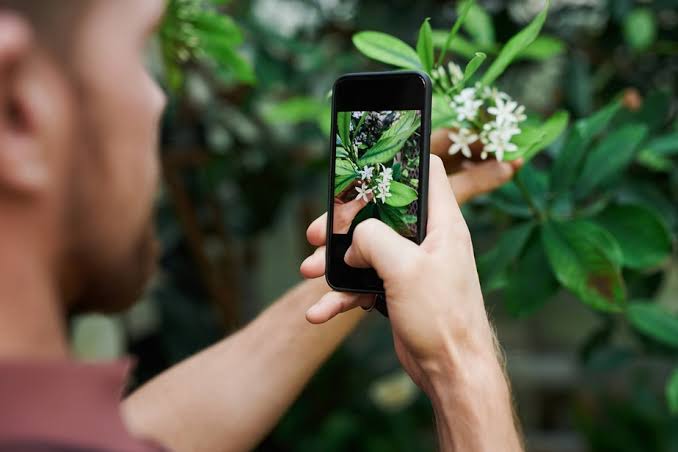
Modern plant identification apps rely on sophisticated machine learning algorithms trained on millions of plant images. When you snap a photo of a leaf, flower, or entire plant, the app analyzes visual characteristics like shape, color, texture, and pattern to match it against its database.


The best apps use computer vision technology that can distinguish between thousands of species with remarkable accuracy. They examine features that even experienced botanists might overlook—vein patterns on leaves, the arrangement of petals, bark texture, and growth habits.
Most applications improve their accuracy over time through user feedback. When gardeners confirm or correct identifications, the system learns and becomes more precise. This crowdsourced approach creates a continuously evolving database that adapts to regional variations and new cultivars.
The Technology Behind Recognition Accuracy
Advanced apps employ convolutional neural networks (CNNs), the same technology used in facial recognition systems. These networks process images layer by layer, identifying increasingly complex features until they can match the plant to a specific species.
The accuracy rate for top-tier applications now exceeds 95% for common plants and approximately 85% for rare or exotic species. Factors affecting accuracy include photo quality, lighting conditions, and the distinctiveness of the plant’s visible features.
📱 Essential Features Every Plant App Should Offer
Not all plant identification apps are created equal. The most valuable tools go far beyond simple species recognition to offer comprehensive plant care support.
Instant Identification Capabilities
The core feature—quick photo identification—should work within seconds. You should be able to photograph any part of the plant (leaf, flower, fruit, or bark) and receive accurate results. Premium apps offer identification even from partial or damaged specimens.
Comprehensive Care Guides
After identification, you need actionable information. Quality apps provide detailed care sheets covering:
- Watering frequency adjusted for seasons and climate zones
- Light requirements with specific lux measurements when possible
- Soil preferences including pH levels and drainage needs
- Temperature ranges for optimal growth
- Fertilization schedules with nutrient recommendations
- Pruning and maintenance timing and techniques
- Common pests and diseases with treatment options
Personalized Care Reminders
The best apps function as your personal plant assistant, sending customized notifications for watering, fertilizing, rotating, or repotting based on each plant’s specific needs and your local climate.
Plant Health Diagnosis
Beyond identification, leading apps can diagnose problems. Upload a photo of yellowing leaves, brown spots, or wilting stems, and the app analyzes symptoms to identify issues like nutrient deficiencies, overwatering, pests, or diseases.

🏆 Top Plant Identification Apps Worth Downloading
The market offers dozens of plant apps, but a few stand out for accuracy, features, and user experience.
PlantNet: The Community-Powered Option
PlantNet operates as a citizen science project, with botanists and plant enthusiasts worldwide contributing to its database. It excels at identifying wild plants and native species, making it perfect for nature walks and outdoor exploration.
The app is completely free and ad-supported, with a database covering over 20,000 species. Its strength lies in global coverage and scientific accuracy, though the interface may feel less polished than commercial alternatives.
PictureThis: AI-Powered Precision
With a claimed 98% identification accuracy, PictureThis uses advanced AI to recognize over 10,000 plant species. The app shines with its disease diagnosis feature and personalized care plans that adapt to your specific environment.
The free version offers basic identification, while premium subscribers access expert consultations, unlimited diagnoses, and ad-free browsing. Monthly care reminders help you stay on top of watering and feeding schedules.
PlantSnap: Extensive Database Coverage
Boasting recognition of more than 600,000 plant species—including flowers, trees, succulents, mushrooms, and cacti—PlantSnap offers one of the most comprehensive databases available. It works globally and includes detailed information about each species’ habitat and characteristics.
iNaturalist: The Naturalist’s Choice
While not exclusively a plant app, iNaturalist combines plant identification with broader biodiversity tracking. Your observations contribute to scientific research, and you can connect with a community of naturalists who help verify identifications.
The app excels at identifying plants in their natural habitats and provides ecological context about native ranges and conservation status.
🌱 Practical Ways to Use Plant Apps in Daily Gardening
Owning a plant app is one thing; leveraging its full potential requires strategic use.
Building Your Digital Plant Collection
Create a virtual garden by cataloging every plant you own. Most apps let you create profiles for individual plants, complete with photos, purchase dates, and location in your home. This digital inventory helps you track growth, identify patterns, and remember which plants need attention.
Add notes about each plant’s quirks—perhaps your pothos grows faster near the east window, or your fiddle leaf fig drops leaves when moved. These observations become invaluable reference points over time.
Shopping Smarter at Nurseries
Before purchasing a plant, use your app to verify the species and research its care requirements. Many nurseries mislabel plants or provide generic care instructions. Having specific information helps you decide whether a plant fits your space, lifestyle, and experience level.
Check for toxicity information if you have pets or children. Apps typically flag poisonous species and suggest safe alternatives.
Diagnosing Problems Before They Escalate
When something looks off, photograph the affected area and let the app analyze it. Early detection of pests, diseases, or environmental stress dramatically improves treatment success rates.
Compare the app’s diagnosis with care history logged in your profile. If you’ve been watering every three days and the app suggests root rot, you can immediately adjust your routine.
Exploring While Hiking or Traveling
Plant apps transform outdoor adventures into educational experiences. Identify wildflowers on trails, recognize edible plants (always verify with multiple sources before consuming), or learn about invasive species threatening local ecosystems.
Many apps work offline after downloading regional databases, perfect for remote areas without cell coverage.
💡 Tips for Getting Accurate Identifications
The quality of your input directly affects the accuracy of the output. Follow these best practices for optimal results.
Photography Techniques That Matter
Take photos in natural, bright light without harsh shadows. Avoid using flash, which can wash out colors and obscure details. Photograph the plant from multiple angles—top-down for leaf arrangement, close-up for texture, and profile for overall shape.
For flowering plants, capture blooms in full view, showing petal arrangement and color. For trees, photograph both leaves and bark. The more information you provide, the better the identification.
Focus on Distinctive Features
Different plant parts offer varying levels of identification value. Flowers and fruits typically provide the most distinctive characteristics, followed by leaves, then stems and bark.
Capture unique features like thorns, unusual leaf shapes, variegation patterns, or distinctive growth habits. These details help narrow down possibilities when multiple similar species exist.
When Apps Disagree or Seem Uncertain
If your app provides multiple possibilities with low confidence scores, take additional photos of different plant parts. Cross-reference results with other apps—using two or three different platforms often reveals the correct answer.
Join the app’s community forums or submit photos to expert review features. Human verification remains superior to AI for rare, hybrid, or unusual specimens.
🌍 Environmental Benefits of Plant Identification Apps
Beyond personal gardening success, these apps contribute to broader environmental awareness and conservation efforts.
Citizen Science Contributions
Many apps, particularly PlantNet and iNaturalist, feed data into scientific research databases. Your observations help researchers track plant distribution, monitor invasive species spread, and document biodiversity changes over time.
This crowdsourced data proves especially valuable for tracking climate change effects on plant ranges and blooming times.
Promoting Native Plant Gardening
Apps help identify native species and explain their ecological importance. By recognizing which plants naturally occur in your region, you can make informed landscaping choices that support local pollinators, birds, and wildlife.
Several apps now include native plant filters that highlight species indigenous to your area, complete with information about which native insects and animals depend on them.
Identifying Invasive Species
Quick identification helps gardeners and landowners spot invasive plants before they establish. Apps often flag invasive species with warnings and provide removal recommendations, helping prevent ecological damage.
📊 Understanding Care Requirements Through App Data
Raw data transforms into actionable wisdom when you understand what plant care metrics actually mean.
Decoding Light Requirements
When apps specify “bright indirect light” or “partial shade,” they’re describing specific light intensity levels measured in foot-candles or lux. Some advanced apps now integrate with light meters or use your phone’s sensors to measure actual light levels in your space.
| Light Description | Foot-Candles | Typical Location |
|---|---|---|
| Low Light | 25-75 | North-facing window, 6+ feet from east/west window |
| Medium Light | 75-200 | East-facing window, filtered west window |
| Bright Indirect | 200-400 | South-facing window with sheer curtain |
| Direct Sun | 400+ | Unobstructed south or west window |
Watering Wisdom Beyond Basic Schedules
Rather than following rigid watering calendars, the best apps teach you to recognize when plants need water based on environmental factors. They consider humidity levels, pot size, soil type, and seasonal changes.
Apps with moisture monitoring features remind you to check soil moisture manually or integrate with smart sensors that provide real-time data about when plants actually need water.
Temperature and Humidity Awareness
Understanding your plant’s native climate helps you create ideal conditions. Apps provide temperature ranges and humidity preferences, then suggest practical solutions like pebble trays, humidifiers, or seasonal location changes.
Some apps access your local weather data and send alerts when outdoor conditions become suitable for moving houseplants outside or when frost threatens outdoor specimens.
🚀 Advanced Features for Serious Plant Enthusiasts
Power users can leverage premium features that transform basic plant care into sophisticated cultivation.
Growth Tracking and Progress Photos
Document your plant’s growth journey with timestamped photos. Apps create time-lapse sequences showing development over weeks, months, or years—incredibly rewarding for slow-growing specimens like cacti or bonsai.
Track metrics like height, leaf count, or bloom frequency to identify optimal care conditions and detect problems early when growth slows unexpectedly.
Expert Consultation Services
Premium tiers often include access to certified horticulturists who answer specific questions about struggling plants. Upload photos and descriptions, then receive personalized advice beyond automated responses.
This feature proves invaluable for rare plants, complex problems, or when you’re preparing for major interventions like aggressive pruning or division.
Integration with Smart Home Systems
Cutting-edge apps now connect with smart sensors, automated watering systems, and grow lights. Monitor soil moisture, light levels, and temperature remotely, with automated adjustments ensuring optimal conditions even when you travel.
🌸 Maximizing Success with Houseplants Using App Guidance
Indoor gardening presents unique challenges that plant apps specifically address.
Matching Plants to Your Home Environment
Before acquiring new plants, use apps to assess your space. Measure available light, note humidity levels, and consider temperature fluctuations. Then search app databases filtering by these conditions to find species likely to thrive.
This proactive approach prevents the common mistake of buying beautiful plants unsuited to your environment.
Seasonal Adjustment Reminders
Indoor conditions change dramatically with seasons. Apps remind you to adjust watering frequency when heating systems reduce humidity in winter or increase it when air conditioning runs in summer.
They also alert you about dormancy periods when certain plants need reduced watering and fertilization.
Repotting and Maintenance Schedules
Apps track when you last repotted plants and suggest optimal timing for root-bound specimens. They provide species-specific guidance about preferred pot sizes and soil mixes.
Fertilization schedules adapt to growing seasons, with increased feeding during active growth and reduced nutrients during dormancy.
🔍 Privacy and Data Considerations
As with any app, understanding how plant identification software handles your data matters.
Free apps typically monetize through advertising or by selling anonymized plant identification data to research institutions or agricultural companies. Premium subscriptions usually eliminate ads and may offer stronger privacy protections.
Review permission requests carefully. While camera access is essential for identification, location services are optional (though they improve accuracy for regional species identification).
Most reputable apps don’t share personally identifiable information, but uploaded photos become part of databases used to improve recognition algorithms. If privacy concerns you, choose apps with clear data policies and opt-out options.
🎯 Choosing the Right App for Your Needs
Your ideal plant app depends on your gardening goals, experience level, and willingness to pay for premium features.
Beginners benefit from apps with extensive care guides, reminders, and simple interfaces. Visual-heavy apps with step-by-step instructions work best when you’re still learning basic plant care principles.
Experienced gardeners might prioritize accuracy, extensive databases covering rare species, and advanced features like pest diagnosis or community forums with expert users.
Outdoor gardeners and naturalists need apps with strong wild plant databases, offline functionality, and integration with broader nature identification platforms.
Indoor plant collectors benefit from apps focused on houseplants, with detailed information about tropical and subtropical species commonly grown indoors.
Many users find success using multiple apps—perhaps PlantNet for outdoor identification and a commercial app like PictureThis for houseplant care management.
🌿 The Future of Plant Identification Technology
Emerging technologies promise even more powerful plant care tools in coming years.
Augmented reality features are beginning to appear, overlaying care information and growth predictions directly onto your view of actual plants through your phone’s camera.
AI-powered predictive analytics will soon warn about potential problems before visible symptoms appear, analyzing subtle changes in leaf color, growth rate, or environmental data.
Integration with agricultural sensors and drone imagery will bring professional-level monitoring to home gardeners, tracking plant health across large properties or gardens.
As databases expand and algorithms improve, identification accuracy will approach 100% even for rare cultivars and hybrids, while community features will connect plant enthusiasts globally for real-time advice and species trading.
Plant identification apps have democratized botanical knowledge, making expert-level plant care accessible to anyone with a smartphone. Whether you’re trying to save a struggling succulent, identify a wildflower on your hiking trail, or build a thriving indoor garden, these digital tools provide the guidance, reminders, and expertise you need. By choosing the right app and using it strategically, you’ll develop deeper plant knowledge while keeping your green companions healthier and happier than ever before.
