Anúncios
Managing your daily tasks and staying productive has never been easier with the right productivity app at your fingertips. Let’s explore how these tools can transform your workflow.
In our fast-paced digital world, keeping track of everything from work deadlines to personal errands can feel overwhelming. The good news? Modern task management applications have evolved into sophisticated productivity ecosystems that sync across all your devices, help prioritize what matters, and actually reduce stress rather than add to it.
Whether you’re a busy professional juggling multiple projects, a student balancing coursework and extracurriculars, or simply someone who wants to bring more order to daily life, choosing the right organizational tool makes a measurable difference. Studies show that people who use structured task management systems complete 30% more tasks on average and report significantly lower stress levels.
🎯 Why Digital Task Management Outperforms Traditional Methods
Paper planners served us well for decades, but digital solutions offer advantages that fundamentally change how we approach productivity. The difference isn’t just convenience—it’s about creating a system that actively works with you throughout the day.
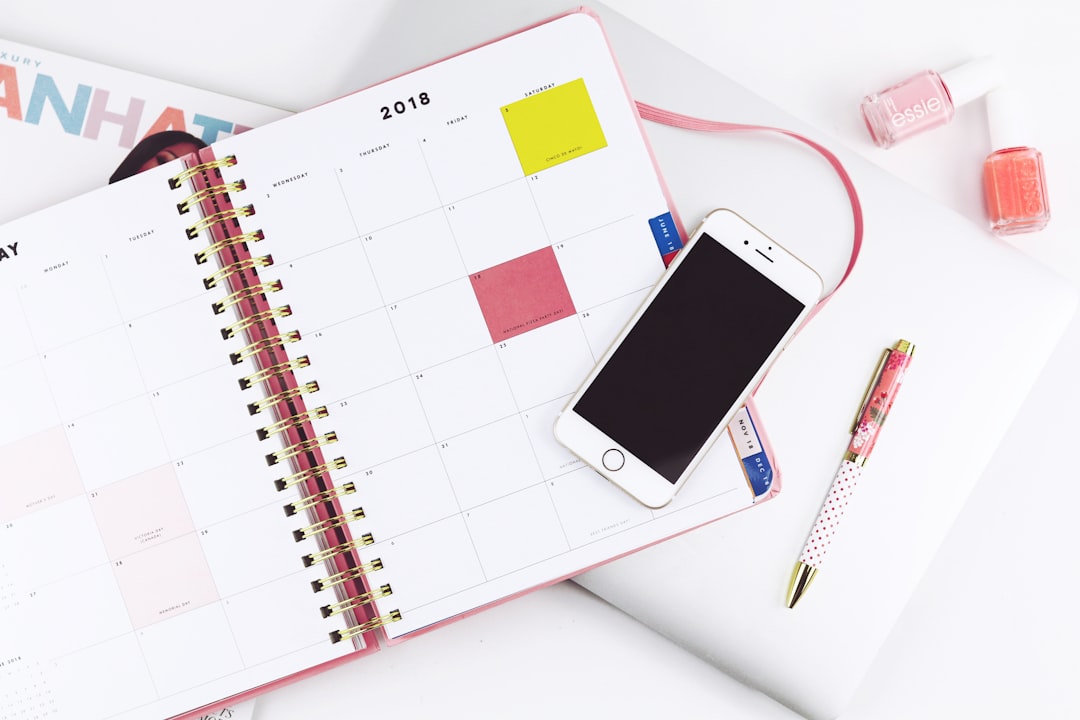
Real-time synchronization means your task list updates instantly across your phone, tablet, and computer. Add a task on your laptop during a meeting, and it appears on your phone before you leave the room. This seamless integration eliminates the friction that causes tasks to slip through the cracks.
Smart notifications understand context. Rather than bombarding you with reminders, modern apps learn your patterns. They know you check work tasks in the morning and personal errands in the evening. Location-based reminders trigger when you’re actually near the grocery store or passing by the dry cleaner.
The collaboration features alone justify the switch for many users. Share a grocery list with your partner that updates in real-time. Delegate tasks to team members with clear deadlines and automatic follow-ups. Track progress on group projects without endless email threads.
The Psychology Behind Effective Task Organization
Research in cognitive psychology reveals why digital task managers reduce mental load so effectively. The concept of “cognitive offloading” explains that writing tasks down frees working memory for creative problem-solving and focused work.
When you externalize your to-do list into a trusted system, your brain stops using energy to remember everything. That nagging feeling of “am I forgetting something?” disappears because you know your app has everything captured.
- Reduces decision fatigue by presenting tasks in priority order
- Provides dopamine hits when checking off completed items
- Creates visual progress markers that motivate continued effort
- Breaks overwhelming projects into manageable next actions
- Separates urgent from important using visual hierarchy
📱 Core Features That Define Premium Productivity Apps
Not all task managers are created equal. The best applications share certain characteristics that separate them from basic to-do lists. Understanding these features helps you choose the right tool for your specific needs.
Natural Language Input for Faster Task Creation
Type “Meeting with Sarah tomorrow at 3pm #work” and watch the app automatically extract the task name, set the due date and time, and apply the correct label. This natural language processing removes the friction of manual date selection and category assignment.
The speed difference is substantial. Creating a task takes 5-7 seconds with natural language input compared to 20-30 seconds when manually filling fields. Over hundreds of tasks per month, this saves hours of cumulative time.
Intelligent Priority Systems
Modern apps use more than simple high-medium-low flags. They consider multiple factors:
| Priority Factor | How It Works | Impact on Task Order |
|---|---|---|
| Due Date Proximity | Tasks due sooner rise automatically | Prevents last-minute rushes |
| Estimated Effort | Quick wins appear when energy is low | Maintains momentum throughout day |
| Project Context | Related tasks group together | Reduces context switching costs |
| Recurring Patterns | Learns when you typically complete similar tasks | Suggests optimal timing |
Project and Sub-task Hierarchies
Breaking large projects into smaller pieces transforms overwhelming goals into achievable steps. A project like “Plan summer vacation” becomes a series of actionable tasks: research destinations, compare flight prices, book accommodation, arrange pet care.
The best apps let you nest tasks up to 4-5 levels deep. You can collapse completed sections to reduce visual clutter while keeping the information accessible for reference.

⚡ Advanced Productivity Techniques These Apps Enable
The right software doesn’t just store tasks—it enables proven productivity methodologies that would be difficult to maintain manually. Let’s explore how digital tools supercharge popular time management systems.
The Getting Things Done (GTD) Method
David Allen’s GTD methodology relies on capturing everything, clarifying what requires action, organizing by context, reflecting regularly, and engaging with work appropriately. Task management apps were practically designed for this approach.
Create an inbox where every thought, task, and idea lands initially. During your daily review, process each item: Is it actionable? Does it take less than 2 minutes? What’s the very next physical action required? Your app handles the sorting, labeling, and scheduling automatically.
Context tags like @computer, @phone, @errands, @home let you filter tasks by where you are or what tools you have available. Stuck in a waiting room with just your phone? Pull up @phone tasks and make progress on calls you’ve been postponing.
Time Blocking and Calendar Integration
The most productive people don’t just list tasks—they schedule them. Modern apps integrate with your calendar to show both appointments and scheduled task blocks in one unified view.
Drag a task onto a specific time slot, and it reserves that calendar block for focused work. The app can estimate how long tasks typically take based on your history and suggest realistic scheduling.
Some apps offer time tracking that runs in the background, showing exactly how long you spent on each task or project. This data reveals surprising patterns—that “quick” email check that regularly consumes 45 minutes, or the report that only takes 30 minutes instead of the 2 hours you always allocate.
The Pomodoro Technique Integration
Built-in Pomodoro timers help you work in focused 25-minute intervals with 5-minute breaks. The app tracks how many “pomodoros” each task requires, helping you estimate future work more accurately.
After completing four pomodoros, the app prompts a longer 15-20 minute break. This structured rhythm prevents burnout while maximizing deep work periods. The statistics show your most productive hours, suggesting when to tackle difficult tasks versus administrative work.
🔄 Collaboration Features for Teams and Families
Productivity apps have evolved beyond individual use into powerful collaboration platforms. The ability to share projects, assign tasks, and track collective progress transforms how groups coordinate.
Shared Projects with Role-Based Permissions
Create a project and invite team members with different access levels. Project managers can assign tasks and adjust deadlines. Contributors can update progress and add comments. Viewers can monitor status without making changes.
Each person sees only the tasks relevant to them in their personal views, but the shared project view shows the complete picture. This separation prevents overwhelm while maintaining transparency.
Real-Time Comments and File Attachments
Discussion threads on individual tasks keep all context in one place. Rather than searching through email for that spec document or clarification from two weeks ago, everything lives with the task itself.
Attach files directly from cloud storage services like Dropbox, Google Drive, or OneDrive. The app displays file previews and version history, so everyone always works from the latest information.
Household Management Made Simple
Families report particular success with shared task apps for managing household responsibilities. Create a “Home Maintenance” project with recurring tasks for changing air filters, scheduling vet appointments, or rotating seasonal decorations.
The shared grocery list feature alone justifies adoption for many households. Add items as you think of them throughout the week, and whoever shops can check them off in real-time. No more duplicate purchases or forgotten essentials.
📊 Analytics and Insights That Drive Improvement
What gets measured gets improved. Premium productivity apps provide detailed analytics showing exactly how you spend time and where bottlenecks occur.
Productivity trends graph your completed tasks over weeks and months, revealing patterns. Many users discover they’re most productive on Tuesday mornings and struggle Thursday afternoons. This awareness lets you schedule important work during peak periods and save routine tasks for low-energy times.
Completion rates by project highlight which areas need attention. A project consistently sitting at 30% completion might need better task breakdown, clearer next actions, or simply wasn’t a real priority to begin with.
The karma or productivity score systems gamify progress. Earn points for completing tasks, maintaining streaks, and hitting weekly goals. While seemingly superficial, these metrics tap into our competitive nature and provide satisfying feedback loops.
Habit Tracking for Long-Term Goals
Beyond one-time tasks, tracking daily habits builds lasting change. Mark each day you exercise, read, meditate, or practice a language. Visual streak counters motivate consistency—you won’t want to break a 47-day meditation streak.
Some apps display habit completion percentages, so you can aim for realistic consistency (80% completion over a month) rather than impossible perfection. This flexibility prevents the all-or-nothing thinking that derails many habit attempts.
🔐 Security and Privacy Considerations
Your task list contains sensitive information—meeting notes, project deadlines, personal reminders. Understanding how apps protect this data matters.
Look for end-to-end encryption that ensures even the company hosting your data cannot read it. Your tasks encrypt on your device and only decrypt when you access them with your password.
Two-factor authentication adds another security layer, requiring both your password and a code from your phone to access your account. This prevents unauthorized access even if someone obtains your password.
Review the app’s data policy regarding third-party sharing. Premium services typically commit to never selling user data or displaying targeted advertising based on your task contents.
💡 Choosing the Right App for Your Workflow
The “best” productivity app depends entirely on how you work. A freelancer managing multiple client projects needs different features than a student organizing coursework or a parent coordinating family schedules.
Start by identifying your primary pain point. Do tasks fall through the cracks because you forget them? You need reliable capture and reminders. Feel overwhelmed by the volume? Focus on apps with strong prioritization and filtering. Struggle with team coordination? Collaboration features matter most.
Test the app’s mobile experience thoroughly since you’ll likely add most tasks on-the-go. The quick-add widget should be genuinely fast—maximum two taps from locked screen to captured task. Slow mobile input defeats the purpose.
Free vs. Premium Tiers: What You Actually Need
Most quality task managers offer free versions with limitations. Typical restrictions include:
- Maximum number of projects (usually 5-10)
- Limited collaborators per project (often 1-2 people)
- No file uploads or limited attachment size
- Basic reminder options only
- No access to productivity statistics
For individual use with straightforward needs, free tiers often suffice. Upgrade to premium when you hit specific limitations that block your workflow—needing more projects, collaborating with larger teams, or wanting those analytics insights.
Premium subscriptions typically run $3-8 monthly. Given the time saved and stress reduced, most users find this exceptional value compared to other productivity tools or services.
🚀 Implementation Tips for Maximum Success
Simply installing an app guarantees nothing. The difference between another abandoned productivity experiment and a genuinely transformative system comes down to implementation.
The Two-Week Commitment
Commit to using your chosen app exclusively for 14 days. Long enough to build a habit and discover the features that matter to you, but short enough to feel manageable. Set a recurring daily reminder to process your inbox and review upcoming tasks.
During this period, capture everything—even tasks you might normally keep mentally. This builds trust in the system. Your brain will only stop reminding you about tasks when it believes the app reliably holds everything.
Weekly Review Ritual
Block 30 minutes every week (Friday afternoon or Sunday evening work well) to review completed work, update upcoming tasks, and plan the week ahead. This reflection time prevents the app from becoming a junk drawer of outdated tasks.
Archive or delete completed projects. Reschedule tasks that keep getting postponed—either admit they’re not priorities or schedule dedicated time. Review recurring tasks and adjust frequencies based on what’s realistic.
Start Simple, Then Customize
Resist the urge to build an elaborate system immediately. Start with basic projects and straightforward tasks. As you discover what works, gradually add tags, filters, templates, and integrations.
Many people get so caught up in perfecting their system that they never actually complete tasks. Remember: the goal is getting things done, not building the perfect organizational structure.
🌟 Real-World Success Stories
Understanding how others transformed their productivity provides both inspiration and practical implementation ideas.
Sarah, a marketing consultant, manages 8 client projects simultaneously. Before using a task manager, she relied on scattered notebooks and sticky notes. Critical deadlines would occasionally slip through. Now she maintains a project for each client with all associated tasks, deadlines, and files. Her client satisfaction scores improved measurably because deliverables consistently arrive early.
The Rodriguez family uses a shared task app to coordinate their busy household of five. Chore assignments rotate automatically each week. Medical appointments, school events, and activity schedules live in one accessible place. The parents report significantly fewer conflicts about who was supposed to handle what responsibility.
James, a software developer, struggled with context switching between deep coding work and administrative tasks. He now uses project labels and time blocking to batch similar work. Coding happens in uninterrupted morning blocks. Emails and meetings cluster in the afternoon. His code output increased 40% in three months simply from better task organization.
🎓 Adapting Your System Over Time
Your productivity needs evolve as your life changes. The system that worked perfectly for three years might suddenly feel constraining when you start a new job, have a child, or launch a business.
Pay attention to friction points. If you consistently avoid certain task categories or projects, dig deeper. Maybe the tasks need better breakdown, clearer next actions, or honest acknowledgment that they’re no longer priorities.
Experiment with different methodologies. Try time blocking for a month, then switch to pure context-based organization. Test various prioritization schemes. Your optimal system emerges through this iterative refinement.
The productivity app that transforms your workflow does more than store tasks—it actively supports how you think, reduces stress, and creates space for what truly matters. By capturing everything in a trusted system, implementing proven methodologies, and regularly reviewing progress, you’ll accomplish more while feeling less overwhelmed.
Take the time to find an app that matches your natural workflow rather than forcing yourself into a rigid system. Start with core features, build the habit of consistent use, and gradually expand into advanced capabilities as your needs grow. The investment in setting up a proper task management system pays dividends every single day through increased focus, better collaboration, and the quiet confidence that comes from knowing nothing important will slip through the cracks.
