
Anúncios
Struggling to wake up refreshed? A sleep monitoring app might be the tech solution you need to finally understand and improve your nightly rest.
Sleep quality directly impacts every aspect of our lives—from productivity and mood to long-term health outcomes. Yet millions of people worldwide have no idea whether they’re actually getting restorative sleep or just spending hours in bed.
Sleep monitoring applications have emerged as powerful tools that transform your smartphone into a personal sleep laboratory. These apps track your sleep patterns, analyze sleep cycles, and provide actionable insights to help you wake up feeling genuinely refreshed rather than hitting snooze for the tenth time.
🌙 How Sleep Monitoring Apps Actually Work
Modern sleep tracking technology relies on sophisticated algorithms combined with your phone’s built-in sensors. The accelerometer detects micro-movements throughout the night, while the microphone can pick up sounds like snoring, talking, or environmental disturbances.


When you place your phone on the mattress or nightstand, these sensors create a detailed motion and sound profile. The app’s algorithm interprets this data to distinguish between light sleep, deep sleep, and REM (Rapid Eye Movement) sleep—the three primary sleep stages that cycle throughout the night.
Most quality apps analyze your movement patterns: during deep sleep, your body remains relatively still, while light sleep and REM stages involve more frequent position changes and micro-movements. By mapping these patterns against established sleep science, the app constructs a sleep cycle graph that shows exactly when you transitioned between stages.
The Science Behind Movement Detection
Your smartphone’s accelerometer measures acceleration forces along three axes (X, Y, and Z). During sleep, even the slightest body movement creates measurable accelerometer changes. Research published in sleep medicine journals has validated that accelerometer-based tracking can achieve 85-90% accuracy when compared to clinical polysomnography for basic sleep-wake detection.
The technology isn’t perfect—it can’t measure brain waves like medical equipment—but it provides remarkably useful data for everyday sleep optimization. Apps continuously refine their algorithms using machine learning, improving accuracy as they collect more anonymized user data.
📊 Key Features That Set Quality Apps Apart
Not all sleep monitoring applications offer the same capabilities. Understanding which features actually matter helps you choose an app that delivers genuine value rather than just fancy graphics.
Smart Alarm Technology
Perhaps the most immediately useful feature is the smart wake-up alarm. Instead of jolting you awake from deep sleep (which causes that groggy “sleep inertia” feeling), the app monitors your sleep cycles and wakes you during a light sleep phase within a pre-set time window.
For example, if you need to wake up by 7:00 AM, you might set a 30-minute window (6:30-7:00 AM). The app will trigger the alarm when you enter light sleep during that window, making waking up significantly easier and more pleasant.
Sleep Quality Metrics
Comprehensive apps provide multiple data points:
- Total sleep duration: actual time spent asleep versus time in bed
- Sleep efficiency percentage: ratio of sleep time to total bed time (80-85% is considered healthy)
- Time to fall asleep: how long it takes you to transition from wakefulness to sleep
- Number of wake-ups: interruptions throughout the night, even brief ones you don’t remember
- Sleep stage breakdown: percentages of light, deep, and REM sleep
- Snoring detection: recording and quantifying snoring episodes
- Sleep regularity: consistency of your sleep schedule over weeks and months
Trend Analysis and Insights
Individual nights matter less than patterns over time. Quality apps track trends across weeks and months, revealing how lifestyle factors affect your sleep. You might discover that caffeine after 3 PM consistently reduces deep sleep by 15%, or that exercise days correlate with 20% better sleep efficiency.
These insights transform abstract data into actionable behavior changes. Some apps even correlate your sleep data with factors you manually log—like alcohol consumption, stress levels, or meal timing—to identify your personal sleep disruptors.

💡 Practical Benefits You’ll Actually Notice
Beyond interesting graphs and statistics, sleep monitoring apps deliver tangible improvements to daily life when used consistently and paired with appropriate action.
Understanding Your Personal Sleep Architecture
Everyone’s sleep needs differ. While the standard recommendation is 7-9 hours, your optimal duration might be 7.5 or 8.5 hours specifically. Apps help you identify your personal sleep requirement by correlating sleep duration with next-day performance metrics you track (energy levels, mood, focus).
You’ll also discover your natural chronotype—whether you’re genuinely a morning person or night owl. This knowledge helps you align your schedule with your biology rather than fighting against it.
Identifying Sleep Disruptors
Many people assume they sleep well until data reveals otherwise. Your app might show you wake up 12-15 times per night without remembering a single disruption. This information prompts investigation: Is your room too warm? Is noise bleeding in from outside? Do you need blackout curtains?
One user discovered through their app that they woke up precisely when their neighbor’s automatic sprinkler system activated at 3:47 AM—a subtle noise they never consciously noticed but that consistently disrupted their sleep cycle.
Optimizing Your Sleep Environment
Armed with specific data, you can systematically improve your sleep environment. Apps that record sounds help you identify noise pollution you’ve become habituated to. Temperature tracking (available in premium versions or when paired with smart home devices) reveals whether your bedroom is too warm for optimal sleep.
Testing changes becomes scientific rather than guesswork. Install blackout curtains and check whether your deep sleep percentage increases over the next week. Lower the thermostat two degrees and measure the impact on sleep efficiency.
🔍 Choosing the Right App for Your Needs
Dozens of sleep monitoring apps compete for your attention, each emphasizing different features and philosophies. Selecting the right one depends on your specific goals and preferences.
Free vs. Premium Options
Most reputable sleep apps offer free versions with basic tracking and paid subscriptions unlocking advanced features. Free versions typically provide sleep cycle tracking, basic statistics, and smart alarms—sufficient for many users to gain valuable insights.
Premium subscriptions (usually $30-60 annually) add features like:
- Unlimited sleep history and trend analysis
- Detailed snore detection with audio recordings
- Comparison with age-matched demographic data
- Export capabilities for sharing with healthcare providers
- Integration with other health platforms and wearables
- Guided meditation and sleep aid content
Compatibility with Wearables
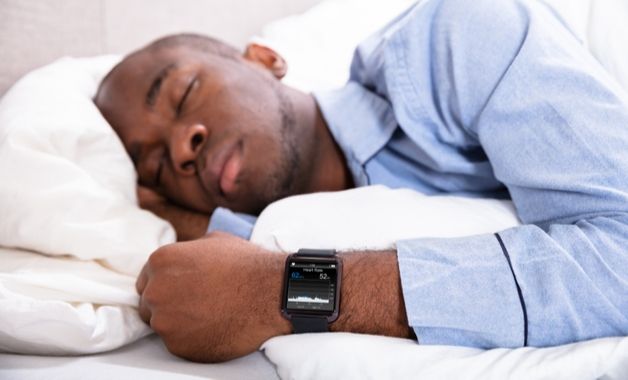
If you own a smartwatch or fitness tracker, look for apps that integrate with these devices. Wearables offer more accurate heart rate monitoring and movement detection since they maintain direct contact with your body. Apps like Sleep Cycle can pull data from Apple Watch or Android Wear devices for enhanced accuracy.
The combination of phone-based sound analysis and wearable movement/heart rate tracking provides the most comprehensive picture of your sleep without requiring medical equipment.
Privacy and Data Security
Sleep apps collect intimate data about your nighttime patterns and home environment. Before committing to an app, review its privacy policy carefully. Reputable apps should:
- Store data encrypted both in transit and at rest
- Allow you to delete your data completely
- Clearly explain how they use anonymized data for research
- Never sell identifiable personal information to third parties
- Provide options to disable audio recording if desired
📱 Getting Started: Setup and Best Practices
Maximizing the value of sleep monitoring requires proper setup and consistent use. These practical tips ensure accurate tracking and meaningful insights.
Phone Placement Strategies
For optimal tracking accuracy, place your phone on the mattress near your pillow if you sleep alone, or on your side of the bed if you share the mattress. The phone should be stable but able to detect your movements—typically 6-12 inches from where your head rests works well.
If mattress placement isn’t practical (perhaps your partner’s movements interfere), a nightstand within arm’s reach can work, though accuracy may decrease slightly. Ensure the phone is plugged in, as tracking drains battery throughout the night.
Calibration Period
Give the app at least 7-10 nights to establish baseline data before drawing conclusions. Initial nights might show unusual patterns as you adjust to sleeping with tracking active. The app’s algorithms also improve as they learn your specific movement patterns and sleep environment.
During this calibration period, maintain notes about factors that might affect sleep: caffeine consumption, alcohol, exercise, stress levels, meals close to bedtime. This creates context for interpreting your data.
Creating a Consistent Sleep Schedule
Apps work best when paired with good sleep hygiene practices. Try to maintain consistent bedtimes and wake times, even on weekends—your app will reveal how much sleep regularity impacts quality. Most people see measurable improvements in sleep efficiency within 2-3 weeks of establishing a consistent schedule.
🎯 Interpreting Your Sleep Data Effectively
Collecting data means nothing without proper interpretation. Understanding what your sleep metrics actually indicate helps you make informed decisions about improving rest quality.
Decoding Sleep Stage Percentages
Healthy sleep typically consists of approximately:
| Sleep Stage | Typical Percentage | Function |
|---|---|---|
| Light Sleep | 45-55% | Transition stage; easier to wake from |
| Deep Sleep | 15-25% | Physical restoration; immune function; memory consolidation |
| REM Sleep | 20-25% | Emotional processing; learning; creativity |
Significant deviations from these ranges warrant attention. Consistently low deep sleep (under 10%) might indicate stress, alcohol consumption, or sleep disorders requiring medical consultation. Extremely low REM percentages can affect emotional regulation and cognitive function.
Understanding Sleep Debt
Your app might track cumulative sleep debt—the difference between your needed sleep and actual sleep over time. A single poor night causes minimal issues, but chronic undersleeping by even 30 minutes nightly accumulates into significant sleep debt over weeks.
Research shows that sleep debt impairs performance similarly to blood alcohol levels above legal driving limits. Your app quantifies this debt, motivating you to prioritize recovery sleep before debt becomes overwhelming.
When to Consult a Healthcare Professional
Sleep apps supplement but don’t replace medical advice. Certain patterns warrant professional consultation:
- Consistently taking more than 30 minutes to fall asleep despite good sleep hygiene
- Sleep efficiency consistently below 75%
- Excessive snoring accompanied by breathing pauses (possible sleep apnea)
- Chronic daytime fatigue despite seemingly adequate sleep duration
- Significant insomnia lasting more than three weeks
Many sleep specialists now request patients bring app-generated sleep reports to appointments, as this data provides valuable context for diagnosis. The export features in premium apps facilitate this professional collaboration.
🚀 Advanced Strategies for Sleep Optimization
Once you’ve established baseline tracking, these advanced techniques help you systematically improve sleep quality using your app’s data as feedback.
Experimenting with Sleep Schedules
Try adjusting your bedtime by 15-30 minutes and track the impact over one week. You might discover that going to bed at 10:30 PM instead of 11:00 PM increases deep sleep by 18%, while sleeping later decreases it. These experiments reveal your personal optimal timing.
Some people benefit from biphasic sleep—a main sleep period plus a short afternoon nap. Your app can track whether this pattern works for you or fragments your nighttime sleep detrimentally.
Pre-Sleep Routine Optimization
Use your app to test different wind-down activities. Does reading improve sleep onset compared to watching TV? Does meditation before bed increase REM sleep? By changing one variable at a time and tracking results for 5-7 nights, you build a personalized pre-sleep routine based on evidence rather than assumptions.
Environmental Fine-Tuning
Systematically test environmental factors:
- Temperature: Track sleep quality at different bedroom temperatures (ideal is typically 60-67°F/15-19°C)
- Lighting: Compare sleep metrics with and without blackout curtains or eye masks
- Sound: Test white noise machines, earplugs, or silence to determine what works best
- Mattress position: Some apps reveal whether sleep quality differs based on which side of the bed you use
⚡ Common Mistakes to Avoid
Even with the best sleep monitoring app, certain pitfalls can undermine your sleep improvement efforts or lead to misinterpretation of data.
Obsessing Over Numbers
Some users develop “orthosomnia”—an unhealthy obsession with achieving perfect sleep metrics that actually creates anxiety and worsens sleep. Remember that apps provide guidance, not absolute truth. How you feel matters more than hitting arbitrary targets every single night.
If checking your sleep score causes morning stress, consider reviewing data weekly rather than daily to maintain a healthier relationship with tracking.
Ignoring Consistency
Using the app sporadically provides fragmented data with limited value. Commit to at least 3-4 weeks of consistent tracking to identify meaningful patterns. Many users abandon apps after a few nights because they don’t see immediate revelations—but sleep patterns reveal themselves over time, not overnight.
Neglecting Lifestyle Factors
No app can compensate for fundamentally poor sleep habits. If you consume caffeine six hours before bed, drink alcohol nightly, or scroll through bright screens until you fall asleep, your app will dutifully record poor sleep—but the solution is behavioral change, not different tracking technology.
🌟 Real-World Success Stories
Sleep monitoring apps have helped countless people identify and resolve previously mysterious sleep issues through data-driven insights.
Sarah, a 34-year-old marketing manager, consistently woke up exhausted despite sleeping 8 hours nightly. Her app revealed she was waking up 18-22 times per night during 3-4 AM. Investigation revealed her elderly cat was activating a motion-sensor nightlight repeatedly during these hours. Moving the nightlight solved a problem she never consciously noticed but that significantly impaired her sleep quality.
Marcus, a 41-year-old software developer, discovered through snore tracking that he exhibited breathing pauses consistent with sleep apnea. His app data prompted a sleep study that confirmed moderate obstructive sleep apnea. Treatment with CPAP therapy—guided by his app showing clear before-and-after improvement—dramatically improved his energy levels and reduced cardiovascular risk.
These examples illustrate how objective data reveals issues that subjective experience misses, enabling targeted solutions rather than generalized advice.
🔮 The Future of Sleep Monitoring Technology
Sleep tracking technology continues advancing rapidly, with several emerging trends promising even more sophisticated insights in coming years.
Integration with smart home devices allows automated environmental optimization—your app could automatically adjust room temperature, lighting, and sound based on your sleep stage. Imagine your bedroom cooling by two degrees when you enter deep sleep, or curtains automatically opening during light sleep phases to ease natural awakening.
Advanced apps are beginning to incorporate AI-powered personalized recommendations that go beyond generic sleep advice. Machine learning analyzes your unique patterns to suggest specific interventions likely to work for your physiology and lifestyle.
Non-contact radar-based monitoring represents another frontier, using ultra-wideband radar to track breathing, heart rate, and movement without requiring phones on the bed or wearables. This technology promises clinical-grade accuracy in consumer devices within the next few years.
Making Sleep Monitoring Work for You
A sleep monitoring app transforms the mysterious third of your life spent unconscious into quantified, actionable data. Rather than guessing whether you sleep well, you gain objective measurements that reveal exactly what’s working and what needs improvement.
The key to success lies in consistent use paired with willingness to experiment based on insights. Download a reputable app, commit to tracking for at least a month, and systematically test changes to your sleep environment and habits. Your improved energy, mood, and cognitive performance will provide the ultimate validation that better sleep monitoring leads to genuinely better sleep.
Quality sleep isn’t a luxury—it’s a biological necessity that affects every aspect of health and performance. With a sleep monitoring app as your guide, you can finally give your body the restorative rest it needs to function optimally. Start tracking tonight, and you might be surprised by what you discover about your sleep patterns and how much room for improvement exists.
