Anúncios
Learning to knit opens up a world of creativity, relaxation, and endless possibilities for handmade treasures you’ll cherish forever.


Knitting has experienced a remarkable renaissance in recent years, attracting people of all ages who seek a meaningful creative outlet in our fast-paced digital world. What was once considered a grandmother’s pastime has transformed into a trendy hobby embraced by millennials, Gen Z, and everyone in between.
Anúncios
Whether you’re drawn to knitting for its meditative qualities, the satisfaction of creating something with your own hands, or the practical appeal of crafting custom garments and gifts, this comprehensive guide will walk you through everything you need to know to start your knitting journey with confidence. 🧶
Why Learning to Knit Is Worth Your Time
Before diving into the technical aspects, it’s helpful to understand why millions of people worldwide have fallen in love with knitting. The benefits extend far beyond simply making scarves and sweaters.
Anúncios
Research has shown that knitting can significantly reduce stress and anxiety levels. The repetitive motion of knitting activates the relaxation response in your brain, similar to meditation or yoga. Many knitters describe entering a “flow state” where worries fade away and focus sharpens.
Beyond mental health benefits, knitting offers a sense of accomplishment that’s increasingly rare in our digital lives. Unlike sending emails or scrolling through social media, knitting produces tangible results you can wear, use, or gift to loved ones. Each completed project represents hours of dedication and skill development.
Financially, knitting can be surprisingly economical once you’ve mastered the basics. While luxury yarns exist, plenty of affordable options allow you to create beautiful items for a fraction of retail prices. A handknit sweater carries personal value that no store-bought garment can match.
Essential Supplies for Beginning Knitters 🛍️
One of knitting’s greatest appeals is its simplicity—you only need a few basic supplies to get started. Don’t feel pressured to buy expensive materials right away; begin with affordable options and upgrade as your skills develop.
Choosing Your First Needles
Knitting needles come in various materials, sizes, and styles. For absolute beginners, bamboo or wooden needles in a medium size (US 8 or 5mm) work beautifully. These materials provide just enough grip to prevent stitches from sliding off accidentally, unlike slippery metal needles.
Straight needles are the traditional choice and work well for flat projects like scarves and dishcloths. Circular needles, which have two needle tips connected by a flexible cable, offer more versatility and are easier on your wrists during longer knitting sessions.
Avoid extremely small or large needles for your first project. Medium-sized needles paired with medium-weight yarn create stitches that are easy to see and manipulate, helping you learn proper technique without frustration.
Selecting the Perfect Beginner Yarn
Yarn selection can feel overwhelming given the hundreds of options available. For learning purposes, choose a smooth, light-colored worsted weight yarn in acrylic or wool blend. Light colors allow you to see your stitches clearly, while worsted weight is neither too thin nor too thick.
Avoid novelty yarns with fuzzy textures, sequins, or multiple colors twisted together. These make it difficult to see individual stitches and can obscure mistakes you need to identify and correct while learning.
Many craft stores sell “beginner knitting kits” that include needles and appropriate yarn. These can be excellent starting points, though make sure the yarn is smooth and the needles are medium-sized before purchasing.
Mastering the Fundamental Techniques
Knitting consists of surprisingly few basic techniques. Once you’ve mastered these foundational skills, you can create countless projects by combining them in different ways.
Casting On: Your Project’s Foundation
Casting on creates the initial row of stitches on your needle. Several methods exist, but the long-tail cast-on is most popular because it creates a neat, stretchy edge suitable for most projects.
To practice this method, leave a tail about three times the width of your intended project. Make a slip knot and place it on your needle—this counts as your first stitch. Then, using your thumb and index finger to manipulate the yarn, create additional stitches until you have the desired number.
Don’t worry if your first attempts look uneven. Consistent tension develops with practice, and your cast-on edge will become neater as muscle memory develops. Many beginners find watching video tutorials particularly helpful for visualizing the hand movements involved.
The Knit Stitch: Building Block Number One
The knit stitch is fundamental to all knitting. Once you can knit comfortably, you’re already capable of creating simple scarves, blankets, and other items using garter stitch (knitting every row).
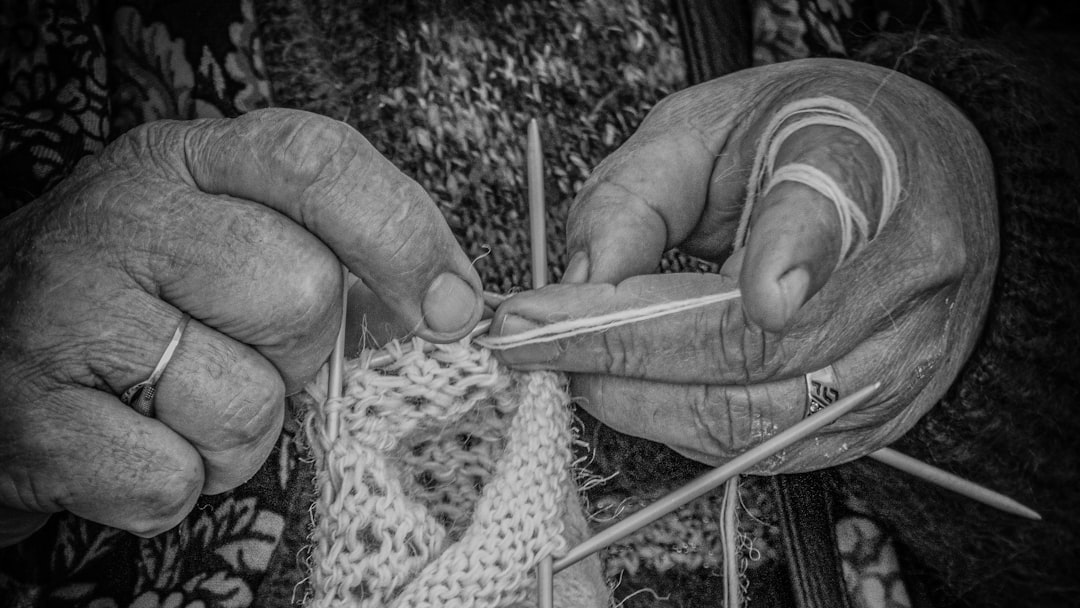
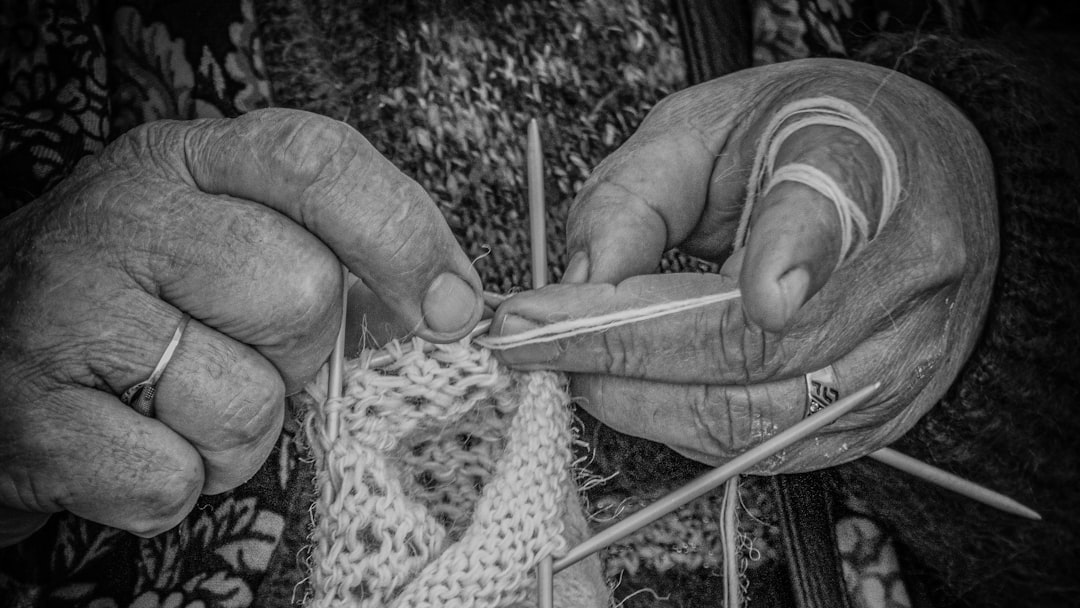
Hold the needle with cast-on stitches in your left hand and the empty needle in your right hand. Insert the right needle into the first stitch from left to right, wrap the working yarn around the right needle, and pull it through the original stitch. Slide the old stitch off the left needle—congratulations, you’ve completed one knit stitch! ✨
Repeat this process across the row, then turn your work and begin again. Your first attempts may feel awkward and slow, but within a few rows, the motion will start feeling more natural.

The Purl Stitch: Expanding Your Repertoire
While you can create many items using only the knit stitch, adding the purl stitch dramatically expands your possibilities. The purl stitch is essentially the reverse of a knit stitch.
With the working yarn held in front of your work, insert the right needle into the first stitch from right to left. Wrap the yarn around the needle and pull it through, creating a new stitch. The motion feels slightly different from knitting, but with practice, purling becomes equally comfortable.
Combining knit and purl stitches in various patterns creates different textures. Alternating knit and purl rows produces stockinette stitch, the smooth fabric most commonly associated with sweaters and socks.
Binding Off: Finishing Your Work
Binding off (also called casting off) secures your stitches when your project is complete. The basic bind-off method involves knitting two stitches, then using your left needle to lift the first stitch over the second and off the needle.
Continue knitting one stitch and passing the previous stitch over until only one stitch remains. Cut your yarn, leaving a 6-inch tail, and pull it through the final stitch to secure everything.
Your bind-off edge should have similar tension to the rest of your fabric—not too tight or too loose. Many beginners bind off too tightly at first, which can cause the edge to pucker. Using a slightly larger needle for binding off helps prevent this issue.
Your First Knitting Project: Setting Yourself Up for Success 🎯
Choosing an appropriate first project significantly impacts your learning experience. While you might be excited to knit an intricate sweater, starting with something simple prevents frustration and builds confidence.
A simple garter stitch scarf makes an ideal beginner project. Cast on 20-30 stitches and knit every row until your scarf reaches the desired length. This project allows you to practice consistent tension and rhythm without worrying about complex patterns.
Dishcloths or washcloths are another excellent option. These small squares knit up quickly, providing the satisfaction of a completed project within a few hours. You can practice both knit and purl stitches while creating something practical for your home or as a gift.
Avoid patterns that require shaping, complex stitch patterns, or working with multiple colors initially. Save these challenges for after you’ve developed muscle memory and confidence with basic techniques.
Common Beginner Mistakes and How to Fix Them
Every knitter makes mistakes, especially when learning. Understanding common errors helps you identify and correct them quickly rather than feeling discouraged.
Tension Troubles
Inconsistent tension—how tightly or loosely you hold the yarn—creates uneven stitches. Some may be loose and loopy while others are tight and difficult to work. This is completely normal for beginners as your hands learn the appropriate grip.
The solution is simply continued practice. Your tension will naturally even out as knitting becomes more comfortable. Avoid gripping the needles too tightly, as this causes hand fatigue and actually makes tension control more difficult.
Accidentally Adding or Losing Stitches
Counting your stitches periodically helps catch this common issue before it becomes a major problem. Extra stitches usually result from accidentally creating a new stitch at the beginning of a row, while lost stitches occur when one slips off the needle unnoticed.
If you notice a stitch count discrepancy, carefully examine your recent rows to identify where the error occurred. Learning to “read” your knitting—recognizing what correctly formed stitches look like—helps spot mistakes quickly.
Twisted Stitches
Twisted stitches occur when you insert your needle into the wrong part of the stitch or wrap the yarn in the wrong direction. The resulting fabric looks slightly irregular and may feel tighter than it should.
Watch tutorial videos carefully to ensure you’re inserting the needle correctly for both knit and purl stitches. The learning curve is steeper at first, but correct technique becomes automatic with practice.
Building Your Skills Beyond the Basics 📚
Once you’ve completed a few simple projects and feel comfortable with knit and purl stitches, you’re ready to expand your repertoire with new techniques that open up exciting project possibilities.
Understanding Knitting Patterns
Knitting patterns use standardized abbreviations and formatting that can seem like a foreign language initially. Common abbreviations include “k” for knit, “p” for purl, “CO” for cast on, and “BO” for bind off.
Start with patterns labeled “easy” or “beginner-friendly” that include detailed instructions rather than just abbreviations. Many modern patterns also include helpful photos or video links. As you encounter new abbreviations, keep a reference guide handy until you’ve memorized the most common terms.
Exploring Stitch Patterns
Combining knit and purl stitches in different sequences creates endless textural possibilities. Ribbing (alternating knit and purl stitches in the same row) creates stretchy fabric perfect for cuffs and hems. Seed stitch produces a bumpy, textured surface by alternating knit and purl stitches in a specific pattern.
Cable knitting uses a special cable needle to cross stitches over each other, creating the distinctive braided appearance seen on many traditional sweaters. While cables look complex, they’re simply a matter of working stitches out of order—a skill accessible to advanced beginners.
Shaping Techniques
Creating garments that fit requires shaping through increases (adding stitches) and decreases (removing stitches). Several methods exist for each, offering different aesthetic effects and functional properties.
The most basic increase, called “make one,” involves picking up the strand between two stitches and knitting into it. For decreases, knitting two stitches together as if they were one is the simplest approach. Practice these techniques on swatches before incorporating them into projects.
Joining the Knitting Community 💬
One of knitting’s greatest joys is the welcoming, supportive community that exists both online and in person. Connecting with other knitters accelerates your learning and makes the journey more enjoyable.
Local yarn stores often host knitting groups where beginners can ask questions and receive help from experienced knitters. These gatherings provide social connection along with practical guidance. Many libraries and community centers also offer free or low-cost knitting classes.
Online communities thrive on platforms like Ravelry (a dedicated knitting and crochet social network), Instagram, and YouTube. These spaces allow you to share projects, ask questions, and find inspiration from knitters worldwide. Video tutorials are particularly valuable for learning new techniques visually.
Don’t hesitate to ask for help when you encounter challenges. The knitting community is remarkably generous with advice and encouragement, understanding that everyone starts as a beginner. Sharing your progress, even when it’s imperfect, often inspires others who are just starting their knitting journey.
Making Knitting a Sustainable Habit
Like any new skill, knitting requires consistency to develop proficiency. Creating a sustainable practice ensures you’ll continue improving rather than abandoning the craft after initial excitement fades.
Set realistic expectations about your progress. You won’t create perfect, complex garments immediately, and that’s completely normal. Celebrate small victories like completing your first project or successfully fixing a mistake. Each small success builds confidence and motivation to continue.
Establish a comfortable knitting space with good lighting and a place to store your projects safely. Having a designated spot makes it easier to pick up your knitting during free moments rather than searching for supplies.
Consider knitting during activities you already do regularly—while watching television, commuting on public transportation, or waiting for appointments. These small pockets of time add up quickly, allowing steady progress without requiring dedicated practice sessions.
Investment in Quality Tools and Education
While beginners should start with affordable supplies, investing in quality tools becomes worthwhile as you develop your skills and commitment to knitting. Better needles can improve your knitting experience significantly through smoother joins, more comfortable grips, and longer durability.
Similarly, investing in knitting education through books, online courses, or in-person classes accelerates your skill development. Quality instruction helps you avoid developing bad habits that are difficult to correct later. Many knitters find that a single well-taught class or comprehensive book provides years of reference value.
Don’t view these investments as expenses but rather as support for a meaningful, lifelong hobby that provides relaxation, creativity, and practical benefits. The cost per hour of enjoyment becomes remarkably low when compared to many other forms of entertainment.
The Journey of Continuous Learning 🌱
Even experienced knitters encounter new techniques and challenges that keep the craft engaging year after year. This continuous learning aspect is part of knitting’s appeal—there’s always something new to discover.
As you progress, you might explore specialized areas like lace knitting with its delicate, openwork patterns, or colorwork techniques that incorporate multiple yarn colors into intricate designs. Some knitters develop expertise in specific garment types, while others enjoy sampling many different project categories.
The path you take with knitting is entirely personal. There’s no “right” way to be a knitter—whether you prefer quick, simple projects or slow, complex masterpieces, both approaches are equally valid. The best knitting practice is one that brings you joy and fits your lifestyle.
Remember that every expert knitter started exactly where you are now, struggling with tension and dropped stitches. The difference between beginners and experienced knitters isn’t innate talent but simply hours of practice and patient persistence.
Embracing Your Creative Journey
Learning to knit is ultimately about more than mastering a craft skill—it’s about claiming time for creativity in your busy life, connecting with a tradition spanning centuries, and discovering the satisfaction that comes from making something beautiful with your own hands.
The projects you create will document your journey and growth as a knitter. Years from now, you’ll look at early attempts with fondness rather than criticism, appreciating how far you’ve come. Some of those imperfect early projects may become your most treasured possessions because of the memories and learning they represent.
Give yourself permission to be a beginner, to make mistakes, and to learn at your own pace. The knitting world welcomes you with open arms and unlimited creative possibilities. Pick up your needles, cast on those first stitches, and begin creating your own handmade story, one stitch at a time. 🧶✨
