
Anúncios
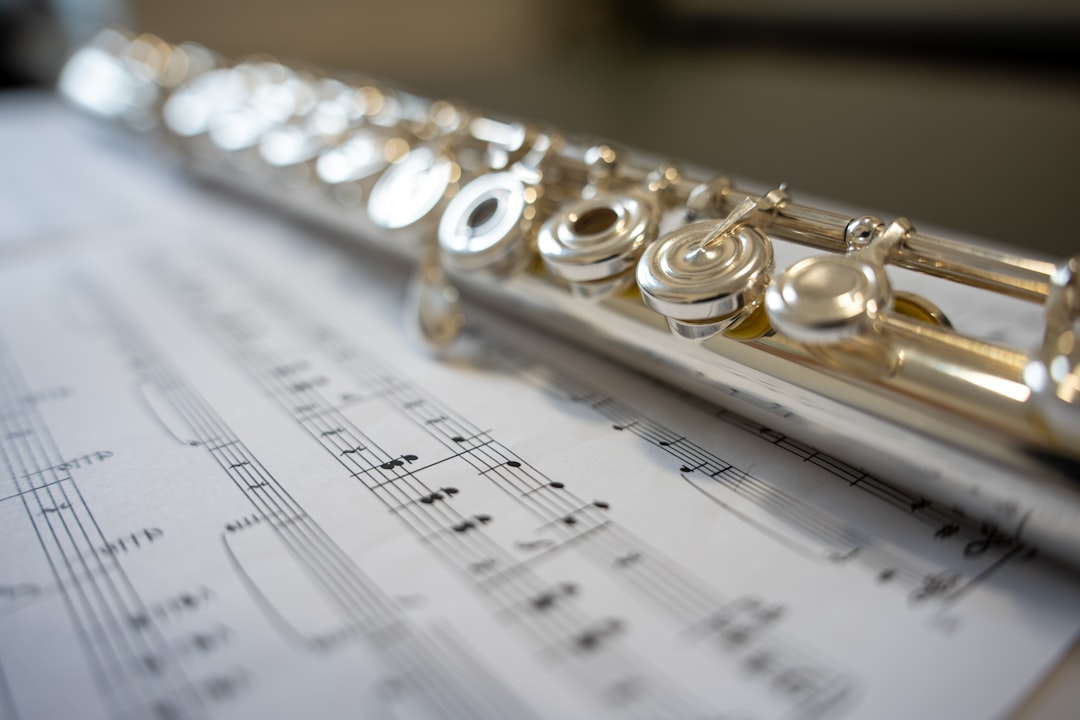
Ever dreamed of playing beautiful melodies on the flute but thought it was too complicated? Well, I’ve got some amazing news for you! Learning to play this magical instrument is way more accessible than you might think, and I’m here to guide you through it.
The flute has this incredible ability to create sounds that can literally give you goosebumps. Whether you’re into classical music, jazz, or even pop, this versatile instrument can take you places you never imagined. So grab a cup of coffee, get comfortable, and let’s dive into this musical journey together! ☕
Anúncios
Why the Flute Is Your Perfect Musical Companion 🎵
Look, I get it. Walking into a music store and seeing all those instruments can be overwhelming. But here’s the thing about the flute: it’s genuinely one of the most beginner-friendly instruments out there. Unlike guitars that leave your fingers sore or drums that require a dedicated space, the flute is portable, relatively quiet (your neighbors will thank you), and produces beautiful sounds pretty quickly.
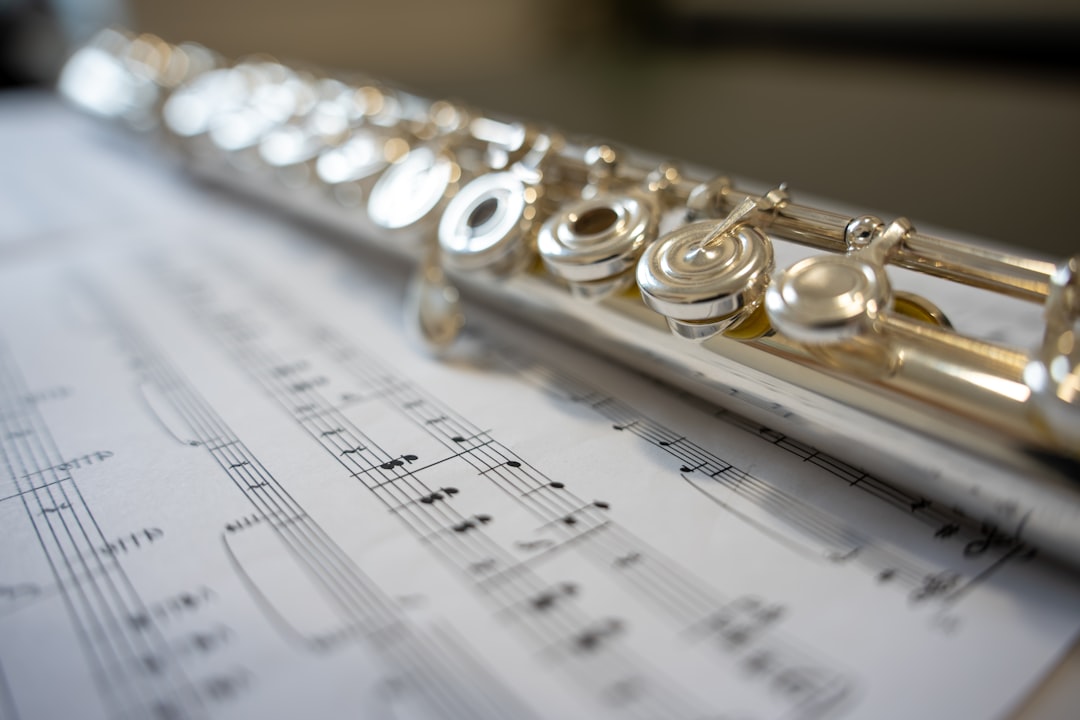
The flute’s design hasn’t changed much over centuries because, honestly, it doesn’t need to. It’s basically a tube with holes that you cover and uncover to create different notes. Simple in concept, magical in execution. Plus, once you understand the basics, you can apply those skills to other wind instruments too.
Anúncios
Another cool thing? Flutes are incredibly affordable compared to many instruments. You can get a decent student flute without breaking the bank, and it’ll serve you well for years. We’re talking about an investment that keeps giving back every time you play.
Getting Your Hands on the Right Flute
Before we jump into playing techniques, let’s talk about choosing your instrument. Not all flutes are created equal, and picking the right one can make or break your learning experience.
For beginners, I always recommend starting with a concert flute in C. This is the standard flute you see in orchestras and bands. It’s got a comfortable size, and tons of learning resources are designed specifically for it. Stay away from piccolos or alto flutes initially – those are for when you’ve got some experience under your belt.
What to Look for in a Beginner Flute
When shopping for your first flute, keep these factors in mind:
- Closed-hole keys (also called plateau keys) are way easier for beginners than open-hole ones
- Offset G keys provide better hand positioning and more comfort
- Nickel-plated or silver-plated bodies are durable and sound great
- C foot joint is perfect for starters (B foot joints are heavier and unnecessary at first)
- Brand reputation matters – Yamaha, Jupiter, and Gemeinhardt make solid student models
Don’t feel pressured to buy the most expensive model right away. A good student flute will take you through your first couple of years easily. You can always upgrade later when you’ve developed your skills and preferences.
Mastering Your Embouchure: The Secret Sauce 😊
Here’s where things get interesting. Your embouchure (fancy word for how you shape your mouth and lips) is absolutely crucial to making your flute sing. I won’t lie – it takes some practice to get this right, but once you do, everything else falls into place.
Think of your lips as creating a small aperture that directs air across the flute’s embouchure hole. You’re not blowing into the flute like a whistle; you’re blowing across it. This is the single most important concept to grasp.
Building Your Embouchure Step by Step
Start by practicing without your flute. Say the word “pew” and notice how your lips naturally form. That’s pretty close to the position you want. Your lips should be slightly firm but relaxed, with a small opening in the center.
Now, take just the headjoint of your flute. Position the lip plate against your lower lip, with the embouchure hole covering about one-third of your lower lip. Roll the flute slightly inward, angle it slightly downward, and blow across the hole. You should hear a sound – maybe not pretty at first, but it’s a start!
Practice this for 10-15 minutes daily. Your facial muscles need to develop strength and muscle memory. It’s like going to the gym, but for your face. Weird comparison, but accurate! 💪
Breathing Like a Pro
You might think breathing is something you’ve got figured out – I mean, you’ve been doing it your whole life, right? But playing the flute requires a different approach to breathing that maximizes your air support and control.
Forget shallow chest breathing. We’re going for deep, diaphragmatic breathing here. Place your hand on your stomach and take a deep breath. Your stomach should expand outward, not your chest rising up. This gives you way more air capacity and control.
When you exhale while playing, imagine you’re creating a focused stream of air, not just blowing. The air should be steady and controlled, coming from your diaphragm, not your cheeks. Your cheeks should never puff out when playing – that’s a common beginner mistake that’ll sabotage your sound quality.
Your First Notes: The Magic Begins ✨
Alright, moment of truth! Let’s get you playing some actual notes. Most teachers start with the note B (middle finger of the left hand down, plus the thumb). It’s one of the easiest notes to produce and gives beginners a quick win.
Assemble your flute completely. Hold it horizontally to your right side, with your left hand closest to your mouth. Your left thumb goes on the single key on the back, and your fingers curve naturally over the keys. Your right hand supports the flute from underneath.
The Essential Fingering Chart
Here’s a simple guide to your first few notes. Master these before moving on:
- B: Left hand thumb + first finger
- A: Left hand thumb + first two fingers
- G: Left hand thumb + all three fingers
- C: Left hand thumb + first finger + right hand first finger
- D: Left hand thumb + first two fingers + right hand first two fingers
Practice each note individually until you can produce a clear, steady tone. Don’t rush this process. Quality beats speed every single time in music.
Building Your Practice Routine
Here’s the real talk: consistency beats intensity. Playing for 20 minutes every day will get you further than cramming two hours once a week. Your muscles, breath control, and ear need regular training to develop properly.
Structure your practice sessions to keep them interesting. Start with five minutes of long tones – just holding single notes as long and steady as possible. This might sound boring, but it’s foundational for developing your sound.
A Sample 30-Minute Practice Session
Here’s how I’d structure a solid practice session:
- 5 minutes: Long tones on different notes (builds embouchure strength)
- 5 minutes: Scale practice (we’ll get to these in a moment)
- 10 minutes: Working on a simple melody or exercise
- 5 minutes: Sight-reading something new (keeps it fresh)
- 5 minutes: Playing something fun that you enjoy
Always end on a positive note – literally! Play something you love, even if it’s just a few bars. This keeps your motivation high and makes you look forward to your next session.
Scales: Your Musical Building Blocks 🧱
I know, I know – scales don’t sound exciting. But trust me on this: scales are the cheat codes of music. Master your scales, and suddenly everything else becomes easier. They train your fingers, develop your ear, and give you the vocabulary to play virtually any melody.
Start with the C major scale. It’s the most straightforward scale with no sharps or flats. Once you can play it smoothly ascending and descending, move on to G major, then F major. These three scales will give you access to hundreds of simple songs.
Practice scales slowly at first. Use a metronome (there are tons of free apps) and start at a comfortable tempo. Accuracy matters way more than speed. Speed will come naturally as your muscle memory develops.
Reading Music: Cracking the Code 📖
Music notation might look like a foreign language at first, but it’s actually pretty logical once you understand the basics. Think of it as a map that tells you which notes to play and for how long.
The five lines and four spaces of the staff represent different pitches. For flute players, we read treble clef. Each line and space corresponds to a specific note, and the position of note heads on the staff tells you what to play.
Essential Music Reading Tips
Don’t try to memorize everything at once. Focus on these fundamentals:
- Learn the note names on the lines (E, G, B, D, F) and spaces (F, A, C, E)
- Understand that note shapes tell you duration (whole notes, half notes, quarter notes)
- Pay attention to the time signature (usually 4/4 for beginners)
- Watch for accidentals (sharps and flats) that modify notes
- Observe dynamics markings (loud, soft, crescendo, etc.)
Consider using music learning apps to supplement your practice. Apps like “Simply Piano” or “Flowkey” (while primarily for keyboard) can help you understand music theory basics in an interactive way. For flute-specific practice, “Flute Master” is an excellent resource that provides interactive lessons.
Common Beginner Mistakes (And How to Avoid Them) 🚫
Let’s talk about the pitfalls that trip up most beginners. Knowing these in advance can save you weeks of frustration.
First up: gripping the flute too tightly. Your hands should be relaxed and curved naturally. Tension in your hands creates tension throughout your body, which affects your sound and makes playing uncomfortable. Think of holding the flute like you’re gently holding a bird – secure but not crushing.
Another huge mistake? Not maintaining your instrument. Flutes need regular cleaning and occasional maintenance. Moisture builds up inside after playing, and if you don’t clean it out, you’ll get sticky pads and poor sound quality. Get a cleaning rod and cloth, and run it through your flute after every session.
Posture Problems
Your posture affects everything. Slouching restricts your breathing and creates unnecessary tension. Stand or sit up straight with your shoulders relaxed. Your head should be level, not tilted down or up. The flute should come to you; you shouldn’t bend to meet the flute.
Keep your elbows slightly away from your body – not chicken-wings-out crazy, but not pinned to your sides either. This opens up your chest for better breathing and gives your fingers better access to the keys.
Simple Songs to Start Your Journey 🎶
Theory and technique are important, but let’s be real – playing actual songs is where the fun happens! Once you’ve got a handle on your first few notes, you can start tackling simple melodies.
“Mary Had a Little Lamb” might seem ridiculously simple, but it’s perfect for beginners. It uses just three notes (B, A, G) and has a simple rhythm. Once you nail this, move on to “Hot Cross Buns” (same three notes) and “Ode to Joy” (adds a few more notes).
YouTube is absolutely stuffed with tutorials for beginner flute songs. Search for “easy flute songs for beginners” and you’ll find hundreds of options with sheet music and play-along tracks. This is honestly an incredible time to be learning an instrument – we have resources previous generations could only dream about.
Troubleshooting Your Sound Quality
Not getting the sound you want? Let’s diagnose some common issues and their solutions.
If your sound is airy or breathy, you’re probably using too much air or your embouchure opening is too large. Tighten up your lips slightly and focus your air stream more precisely across the embouchure hole. Try adjusting the angle of the flute – sometimes a tiny adjustment makes a huge difference.
Is your sound too quiet? You might need more air support from your diaphragm. Take deeper breaths and push more air through while maintaining good embouchure control. Also, check that you’re covering all the keys completely – even small leaks can drastically reduce volume.
Getting squeaky or high-pitched sounds? You’re probably blowing too hard or too fast. Slow down your air speed and relax your embouchure. Think of creating a warm, gentle stream of air rather than forcing it.
Taking Your Skills to the Next Level 🚀
Once you’ve got the basics down, the real fun begins! You can start exploring different musical styles, learning more complex pieces, and maybe even jamming with other musicians.
Consider joining a community band or finding other musicians to play with. Making music with others is one of the most rewarding experiences you can have. It pushes your skills, teaches you to listen, and creates a sense of camaraderie that solo practice can’t replicate.
Online communities are also fantastic resources. Reddit’s r/Flute community is super welcoming to beginners, and there are countless Facebook groups dedicated to flute players of all levels. Don’t be shy about asking questions or sharing your progress – everyone was a beginner once!
Investing in Better Equipment
After you’ve been playing for six months to a year, you might want to consider upgrading your flute. A better instrument won’t magically make you a better player, but it can make playing more enjoyable and help you progress faster.
Intermediate flutes typically feature sterling silver headjoints or bodies, which produce a richer, more resonant tone. Open-hole keys and B foot joints become more practical once your technique is solid. These upgrades usually run between $500-$1500, but the difference in sound quality is genuinely noticeable.
Making Practice Actually Enjoyable
Let’s address the elephant in the room: practice can feel like a chore. But it doesn’t have to! The key is finding ways to keep it interesting and rewarding.
Set specific, achievable goals for each practice session. Instead of “practice for 30 minutes,” try “master the first eight bars of this song” or “play the C major scale at 80 BPM without mistakes.” Specific goals give you direction and a sense of accomplishment.
Mix up your practice material. If you’re getting bored with classical exercises, throw in some pop songs or movie themes. The best practice is the practice you actually do, so play music you genuinely enjoy.
Record yourself regularly. It’s a bit cringey hearing yourself at first, but recordings reveal things you can’t hear while playing. They also provide concrete evidence of your progress, which is incredibly motivating when you compare recordings from a month apart.
Your Musical Journey Starts Now 🌟
Learning the flute isn’t just about mastering an instrument – it’s about discovering a new form of expression and joining a global community of musicians. Sure, there’ll be frustrating moments when that high note won’t come out right or your fingers feel like they’re tripping over themselves. That’s completely normal and happens to everyone.
The magic happens when you push through those moments. One day, maybe a few weeks or months from now, you’ll pick up your flute and realize that melody you’ve been struggling with suddenly flows effortlessly. Your sound will be clearer, your fingers will move more naturally, and you’ll wonder why it ever seemed difficult.
Remember that every professional flutist started exactly where you are now. They faced the same challenges, dealt with the same frustrations, and celebrated the same small victories. The only difference between them and you is time and consistent practice.
So grab that flute, embrace the journey with all its ups and downs, and most importantly, have fun! Music should bring joy to your life, not stress. Practice regularly, be patient with yourself, and before you know it, you’ll be playing those beautiful melodies you’ve always dreamed of. Trust the process, enjoy the ride, and keep making music! 🎵
