Anúncios
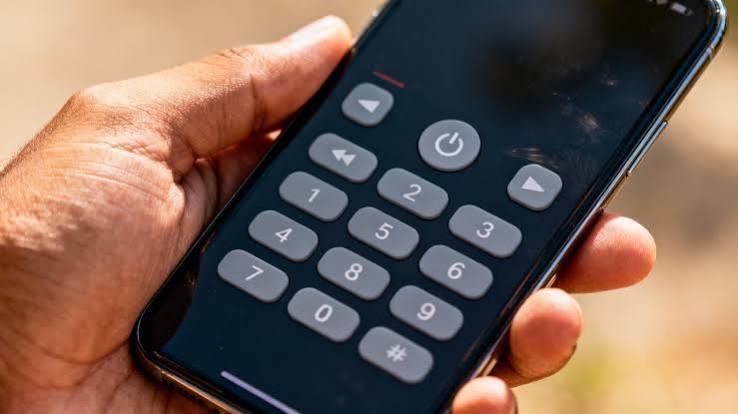
Remote control apps have revolutionized how we interact with our home entertainment systems, offering convenience and functionality right from our smartphones.
Gone are the days of frantically searching between couch cushions for that elusive physical remote. Modern technology has transformed our mobile devices into powerful universal controllers capable of managing televisions, streaming devices, air conditioners, and virtually any infrared-enabled appliance in your home.
The evolution of remote control applications represents a significant shift in how we manage our connected lives. With over 3.5 billion smartphone users worldwide, the accessibility and practicality of these apps have made them essential tools for millions of households seeking simplified device management.
📱 Understanding Modern Remote Control Applications
Remote control apps leverage your smartphone’s built-in infrared (IR) blaster or Wi-Fi connectivity to communicate with home devices. While older flagship phones featured dedicated IR hardware, newer solutions primarily rely on Wi-Fi connections and smart home integration protocols.
These applications work by sending specific command signals that mimic the functions of traditional physical remotes. The technology behind them includes multiple connection methods:
- Infrared transmission: Direct line-of-sight communication using IR light waves
- Wi-Fi network control: Connecting devices through your home network
- Bluetooth connectivity: Short-range wireless communication for nearby devices
- Smart home protocols: Integration with platforms like Google Home or Amazon Alexa
The versatility of these apps extends beyond simple channel changing. Modern applications offer programmable macros, voice commands, gesture controls, and personalized interface customization that traditional remotes simply cannot match.
🎯 Key Features That Define Quality Remote Apps
Not all remote control applications deliver the same experience. The best options share several distinguishing characteristics that separate them from basic alternatives.
Device Compatibility and Database Coverage
Premium remote apps maintain extensive databases containing thousands of device profiles. These libraries include detailed command sets for televisions, set-top boxes, streaming devices, sound systems, air conditioners, projectors, and more. A robust database ensures your specific device model receives proper support with all necessary functions accessible.
Leading applications update their device libraries regularly, adding newly released products and fixing compatibility issues reported by users. This ongoing maintenance keeps the app relevant as technology evolves.
User Interface Design and Customization
The interface represents your primary interaction point with the application. Well-designed remote apps feature:
- Intuitive button layouts that mirror familiar remote designs
- Customizable button placement for frequently used functions
- Multiple theme options including dark mode for evening viewing
- Widget support for quick access from your home screen
- Haptic feedback confirming button presses
Customization options allow you to create personalized control panels tailored to your specific usage patterns, placing your most-used functions within easy reach.
Smart Features and Automation
Modern remote control apps transcend basic button pressing by incorporating intelligent automation features. These include scheduled commands that turn devices on or off at predetermined times, macro sequences that execute multiple actions with a single tap, and voice command integration that lets you control devices hands-free.
Advanced applications learn from your usage patterns, suggesting shortcuts and frequently used command sequences to streamline your experience.

🔧 Setting Up Your Remote Control App
Getting started with a remote control application involves several straightforward steps. The initial setup typically takes between 5 to 15 minutes depending on the number of devices you want to configure.
Initial Configuration Process
Begin by downloading your chosen application from the official app store. After installation, grant necessary permissions including network access and, if applicable, infrared hardware access. The app will then guide you through device setup.
Most applications offer automatic device detection that scans your network for compatible smart devices. For IR-based control, you’ll manually select your device brand and model from the database. The app will then test several command sets to identify the correct configuration for your specific model.
Optimizing Connection Settings
For Wi-Fi-based control, ensure your smartphone and target devices connect to the same network. Many smart TVs and streaming devices require you to enable network control in their settings menu. Look for options labeled “Network Remote,” “Mobile Control,” or similar terminology in your device settings.
IR-based control requires clear line-of-sight between your phone and the device sensor. Position yourself within 15-20 feet of the device, pointing your phone’s IR blaster directly at the device’s sensor (typically located near the power indicator light).
💡 Practical Applications Beyond TV Control
While television control represents the most common use case, remote control apps manage a surprising variety of household devices.
Climate Control Management
Air conditioner remote apps provide precise temperature control, scheduling capabilities, and energy usage monitoring. You can program your AC to cool rooms before you arrive home, maintain optimal sleeping temperatures overnight, and automatically adjust based on outdoor weather conditions.
These apps often display current temperature readings, humidity levels, and energy consumption data, helping you make informed decisions about climate control efficiency.
Home Entertainment System Integration
Complete home theater setups benefit enormously from unified remote control. Instead of juggling separate remotes for your TV, receiver, streaming box, and sound system, a single app manages everything through activity-based controls.
Create custom activities like “Movie Night” that automatically powers on your TV, switches to the correct input, activates your sound system, dims smart lights, and launches your streaming service with one tap.
Presentation and Professional Use
Remote control apps serve professional contexts as well. Teachers, presenters, and business professionals use them to control classroom projectors, conference room displays, and presentation equipment. Wireless control eliminates the need to stand near equipment, allowing natural movement while presenting.
📊 Comparing Connection Methods
| Connection Type | Range | Setup Complexity | Device Compatibility | Best For |
|---|---|---|---|---|
| Infrared | 15-20 feet | Simple | Most traditional devices | Direct line-of-sight control |
| Wi-Fi | 100+ feet | Moderate | Smart devices only | Whole-home control |
| Bluetooth | 30-40 feet | Simple | BT-enabled devices | Personal devices |
| Smart Hub | Unlimited | Complex | Hub-compatible devices | Comprehensive automation |
Each connection method offers distinct advantages. IR provides universal compatibility with older equipment without requiring network setup. Wi-Fi enables control from anywhere in your home and supports advanced features like streaming content from your phone. Bluetooth offers reliable short-range connection with lower power consumption.
🛡️ Security Considerations for Remote Apps
Using remote control applications introduces certain security considerations that responsible users should address.
Network Security Best Practices
Wi-Fi-based remote control requires devices and smartphones to share network access. Secure your home network with WPA3 encryption when available, or WPA2 as a minimum standard. Use strong, unique passwords for your Wi-Fi network and change them periodically.
Separate IoT devices onto guest networks or dedicated VLANs when your router supports this feature. This isolation prevents compromised smart devices from accessing computers, phones, or other sensitive equipment on your primary network.
App Permission Management
Review the permissions requested by remote control apps. Legitimate applications require network access and possibly IR hardware access, but should not request unnecessary permissions like contacts, camera, or location when not relevant to core functionality.
Download apps exclusively from official stores like Google Play or the Apple App Store. These platforms screen applications for malicious code, though you should still review user feedback and developer reputation before installing.
🚀 Advanced Tips for Power Users
Experienced users can unlock additional functionality through advanced configuration and creative application of remote control features.
Creating Complex Automation Sequences
Macro programming allows you to chain multiple commands into single-button shortcuts. For example, create a “Good Morning” routine that raises smart blinds, turns on your coffee maker, activates the news channel, and adjusts the thermostat with one tap.
String together up to 20-30 individual commands in sequence, with customizable delays between each action to ensure proper device response timing. Save multiple macro sets for different scenarios throughout your day.
Integration with Voice Assistants
Many premium remote apps integrate with Google Assistant, Amazon Alexa, or Apple Siri. This integration enables voice commands like “turn on the living room TV” or “switch to HDMI 2” without touching your phone.
Set up custom voice commands that trigger your saved macros, allowing natural language control of complex device sequences. You can also incorporate remote control functions into larger smart home routines managed by your voice assistant platform.
Multi-Room and Multi-Device Management
Organize devices by room or function within your remote app. Create separate control panels for your living room, bedroom, home office, and other spaces. This organization becomes increasingly valuable as you add more controllable devices to your home.
Some applications support multiple user profiles, allowing family members to maintain personalized settings and favorite channels without interfering with each other’s preferences.
🔍 Troubleshooting Common Issues
Even well-designed remote apps occasionally encounter problems. Understanding common issues and their solutions saves frustration.
Connection Problems
When your app fails to control devices, start by verifying basic connectivity. Confirm your phone and target device connect to the same Wi-Fi network. Check that Wi-Fi is enabled on both devices and that airplane mode is disabled on your phone.
For IR-based control, clean your phone’s IR blaster and the device’s sensor to remove dust or debris. Verify you’re within effective range and pointing at the correct sensor location.
Delayed or Unresponsive Commands
Command lag typically indicates network congestion or weak signal strength. Move closer to your Wi-Fi router or consider upgrading to a mesh network system for better coverage. Close bandwidth-intensive applications running on your phone or network.
Some smart devices enter low-power modes that increase response time. Check device settings for options to maintain active network connections or disable aggressive power-saving features.
Incomplete Device Control
If certain functions work while others don’t, your app may have selected an incorrect device profile. Try alternative profiles for your device brand or use the app’s learning function to teach it specific button commands from your physical remote.
Update both your remote app and device firmware to the latest versions. Manufacturers regularly release updates that improve compatibility and fix known issues.
🌟 Maximizing Battery Life While Using Remote Apps
Frequent remote app usage can impact smartphone battery life, but several strategies minimize power consumption.
IR-based control consumes more power than Wi-Fi or Bluetooth methods due to the energy required for infrared light emission. If battery life concerns you, prefer Wi-Fi control when available, or keep a charger nearby during extended remote use sessions.
Enable battery optimization for your remote app in Android settings, or use iOS Low Power Mode when battery levels run low. Close the app completely when not in use rather than leaving it running in the background. Many apps include power-saving modes that reduce screen brightness and disable animations to conserve energy.
Consider using home screen widgets that provide quick access to essential controls without fully launching the application. Widgets typically consume less power than keeping the full app open.
🎬 The Future of Remote Control Technology
Remote control applications continue evolving with emerging technologies promising even more sophisticated functionality.
Artificial intelligence integration will enable predictive control that anticipates your needs based on time, location, and historical patterns. Your remote app might automatically prepare your entertainment system as you approach home or suggest content based on your viewing habits and current mood.
Augmented reality features could overlay control interfaces onto your physical environment, letting you point your phone’s camera at a device to see context-sensitive controls floating above it in AR space.
Gesture control using your phone’s motion sensors and camera is becoming more refined, allowing you to adjust volume with hand waves or change channels with finger swipes detected through computer vision.
Matter protocol adoption promises unprecedented interoperability between smart home devices from different manufacturers, reducing setup complexity and improving reliability across diverse product ecosystems.
📱 Choosing the Right Remote App for Your Needs
Selecting the optimal remote control application depends on your specific requirements, devices, and preferences.
Begin by inventorying the devices you want to control. Note which connection methods they support—IR, Wi-Fi, Bluetooth, or smart home protocols. Choose an app that supports the majority of your devices through their available connection types.
Evaluate the app’s device database for your specific brands and models. User reviews often mention compatibility with particular devices, providing real-world feedback beyond manufacturer claims.
Consider whether you need advanced features like macro programming, voice control integration, or multi-user support. Basic users might prefer simpler applications with straightforward interfaces, while tech enthusiasts will appreciate comprehensive customization options.
Test free versions or trial periods when available before committing to premium purchases. This hands-on experience reveals whether the app’s interface and functionality match your expectations and usage style.
Remote control applications have fundamentally changed how we interact with technology in our homes. What began as simple TV remote replacements has evolved into sophisticated control centers managing entire smart home ecosystems. The convenience of having comprehensive device control in your pocket, combined with advanced automation and customization capabilities, makes these apps indispensable tools for modern connected living. As technology continues advancing, remote control apps will only become more powerful, intuitive, and essential to our daily routines.
