Anúncios
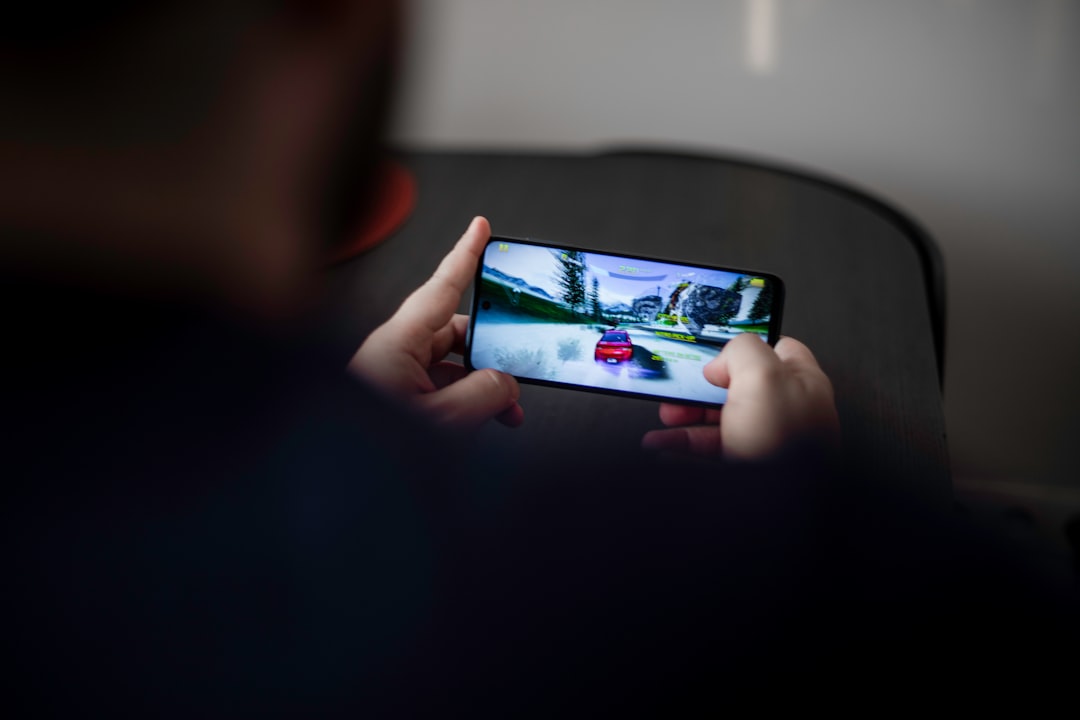
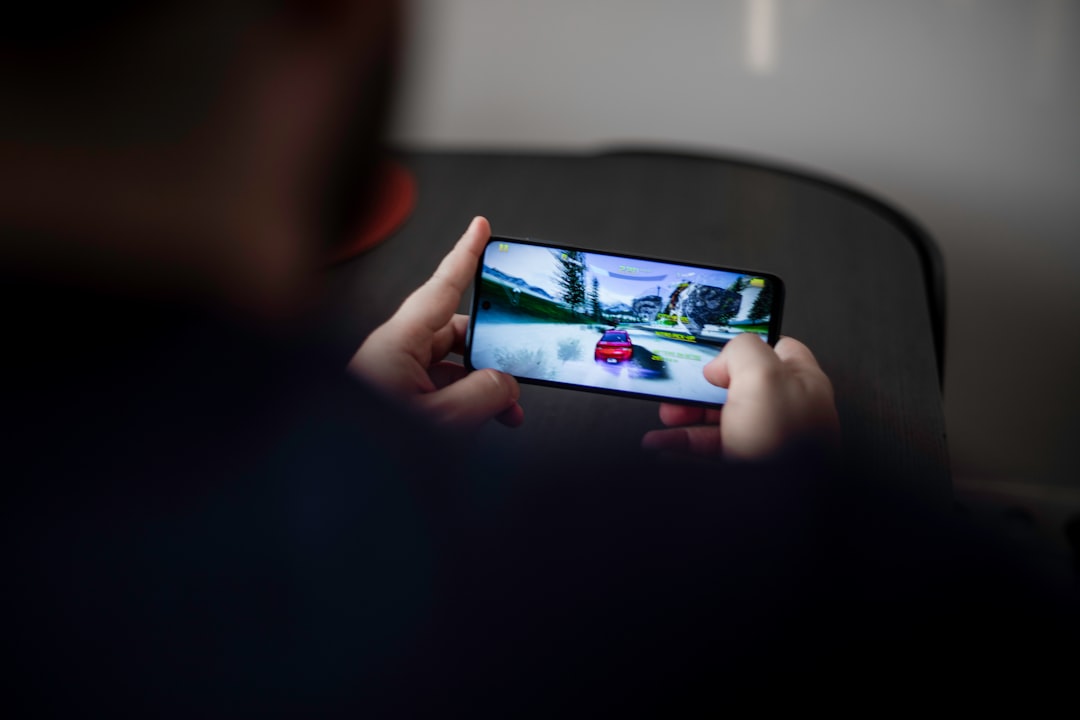
Playing console-quality games like GTA 5 and GTA 6 on your mobile device is now possible through specialized streaming apps and cloud gaming platforms.
The gaming landscape has transformed dramatically over recent years. What once required expensive consoles or high-end PCs can now stream directly to smartphones and tablets. This shift opens doors for millions of gamers who want to experience blockbuster titles without investing in dedicated hardware.
Grand Theft Auto remains one of the most beloved gaming franchises globally. With GTA 5 still breaking records and GTA 6 generating unprecedented hype, players everywhere are searching for ways to enjoy these games on the go. Mobile gaming technology has evolved to make this dream increasingly accessible through various methods and applications.
📱 How Cloud Gaming Makes GTA Mobile Possible
Cloud gaming technology represents the backbone of playing AAA titles on mobile devices. Instead of running games locally on your phone’s hardware, the processing happens on remote servers. Your device simply receives video streams and sends controller inputs back to the server.


This approach bypasses the limitations of mobile hardware. Your smartphone doesn’t need a powerful GPU or massive storage space. The heavy lifting occurs in data centers equipped with enterprise-grade gaming hardware. You essentially rent computing power for the duration of your gaming session.
Several key factors determine your cloud gaming experience:
- Internet speed: Minimum 15-20 Mbps recommended for smooth 720p gameplay
- Latency: Lower ping times (under 40ms) ensure responsive controls
- Data usage: Expect 3-10 GB per hour depending on quality settings
- Network stability: Consistent connection matters more than peak speed
- 5G availability: Next-gen networks deliver significantly better performance
🎮 Major Platforms Supporting GTA on Mobile Devices
Multiple streaming services now support Grand Theft Auto games through mobile apps. Each platform offers distinct advantages, pricing structures, and game libraries. Understanding these differences helps you choose the best option for your needs.
Xbox Cloud Gaming (Game Pass Ultimate)
Microsoft’s Xbox Cloud Gaming service integrates with Game Pass Ultimate subscriptions. For approximately $16.99 monthly, members access hundreds of titles including select GTA games when available in the catalog. The service works across Android and iOS devices through web browsers, eliminating app store restrictions.
The platform supports touch controls for compatible games, though connecting a Bluetooth controller dramatically improves the experience. Xbox Cloud Gaming shines for its seamless integration with the Xbox ecosystem, allowing you to continue saves across devices.
NVIDIA GeForce NOW
GeForce NOW takes a different approach by connecting to your existing game libraries. If you own GTA 5 on Steam, Epic Games Store, or Rockstar Games Launcher, you can stream it through GeForce NOW without repurchasing.
The service offers multiple tiers:
- Free tier: 1-hour sessions with standard access
- Priority: $9.99/month for extended sessions and better hardware
- Ultimate: $19.99/month for 4K streaming and RTX features
GeForce NOW excels in visual quality and performance. The mobile app supports both Android and iOS, with excellent touch control customization options. The ability to leverage existing game purchases makes it economical for PC gamers.
PlayStation Remote Play
PlayStation owners can stream games directly from their PS4 or PS5 consoles using Remote Play. This free app works on both Android and iOS, letting you access your entire game library including GTA 5 when your console is connected and powered on.
Remote Play requires your PlayStation to remain active at home, consuming electricity and requiring proper port forwarding for optimal performance. However, it provides zero-latency access to your personal game saves and doesn’t depend on third-party servers.

⚙️ Setting Up Your Mobile Device for Optimal Performance
Preparing your smartphone properly makes the difference between frustrating lag and smooth gameplay. These optimization steps ensure you extract maximum performance from cloud gaming services.
Network Configuration
Connect to 5GHz Wi-Fi bands rather than 2.4GHz whenever possible. The higher frequency provides faster data transfer and experiences less interference from household devices. Position yourself within reasonable range of your router to maintain signal strength.
Mobile data works for cloud gaming but burns through data caps quickly. If using cellular networks, 5G connections deliver the best experience. 4G LTE can work adequately but may introduce noticeable input lag during fast-paced action sequences.
Consider these network tweaks:
- Enable Quality of Service (QoS) on your router to prioritize gaming traffic
- Close bandwidth-heavy applications on other devices
- Use wired ethernet backhaul for mesh router systems
- Restart your router before extended gaming sessions
- Test your connection using speed test apps focused on latency metrics
Device Settings Optimization
Maximize your smartphone’s performance by adjusting key settings. Enable “Do Not Disturb” mode to prevent notifications from interrupting gameplay. Disable automatic app updates and background data sync during gaming sessions.
Battery settings significantly impact performance. Switch to “Performance” mode if your device offers it, understanding this drains battery faster. Keep your phone plugged into power during longer sessions to maintain consistent processing speeds.
Screen brightness affects both visibility and battery life. Find a balance that lets you see dark scenes in GTA while extending playtime. Adaptive brightness features sometimes cause distracting fluctuations during gameplay.
🎯 Controller Options That Transform Mobile Gaming
Touch controls work for casual mobile gaming but fall short for complex games like GTA. Physical controllers provide precision and comfort that touchscreens cannot match. The market offers numerous options at various price points.
Dedicated Mobile Controllers
Controllers designed specifically for smartphones attach directly to your device or use clip-on mounts. Popular options include the Backbone One, Razer Kishi, and GameSir X2. These designs eliminate the awkwardness of balancing your phone against a separate controller.
| Controller Model | Connection Type | Approximate Price | Key Features |
|---|---|---|---|
| Backbone One | Lightning/USB-C | $99 | Zero latency, pass-through charging |
| Razer Kishi V2 | USB-C | $99 | Microswitches, programmable buttons |
| GameSir X2 | USB-C/Bluetooth | $49 | Budget-friendly, adjustable fit |
| Xbox Wireless Controller | Bluetooth | $59 | Universal compatibility, familiar layout |
Direct-connection controllers using Lightning or USB-C ports offer lower latency than Bluetooth alternatives. The physical connection eliminates pairing issues and removes another potential source of input delay. Battery life also improves since you’re not powering a separate wireless connection.
Console Controllers via Bluetooth
Xbox and PlayStation controllers pair with most modern smartphones through Bluetooth. These provide familiar button layouts if you already game on consoles. The wireless nature offers more flexibility in positioning but introduces slight input lag compared to wired options.
Pairing process varies by device but generally involves holding specific button combinations while accessing your phone’s Bluetooth settings. Once connected, these controllers work across multiple gaming apps and platforms automatically.
🚨 Understanding GTA 6 Mobile Availability
Rockstar Games officially announced GTA 6 with a planned release window for 2025. Current information confirms the game will launch on PlayStation 5 and Xbox Series X/S consoles. No official mobile version or simultaneous cloud gaming availability has been announced.
Past patterns suggest cloud gaming services will eventually support GTA 6, but likely not at launch. GTA 5 took several years before appearing on streaming platforms. The massive technical requirements of next-gen open-world games make immediate cloud support challenging.
Realistic expectations for GTA 6 mobile gaming:
- Console launch: 2025 for PS5 and Xbox Series X/S
- Cloud gaming support: Potentially 6-12 months post-launch
- Mobile optimization: Depends on platform partnerships and technical feasibility
- Native mobile port: Unlikely based on historical precedent and hardware limitations
Players eager to experience GTA 6 on mobile devices should prepare by testing current cloud gaming platforms with GTA 5. This provides hands-on experience with the technology and helps identify potential issues before the new game arrives.
💡 Practical Tips for Smooth Mobile GTA Gaming
Small adjustments and awareness of common pitfalls dramatically improve your mobile gaming experience. These practical tips come from real-world testing across different devices and network conditions.
Managing Data Consumption
Cloud gaming devours mobile data at alarming rates. One hour of streaming at 720p consumes approximately 3-4 GB. Higher quality settings push this to 6-10 GB per hour. Unlimited data plans become essential for frequent mobile gamers away from Wi-Fi.
Monitor your data usage through your phone’s built-in tracking or carrier apps. Set alerts before reaching cap thresholds. Some streaming services allow pre-setting quality limits specifically when on cellular networks versus Wi-Fi connections.
Battery Life Management
Streaming games drains batteries rapidly due to constant data processing, screen usage, and wireless connectivity. Most smartphones provide 2-3 hours of cloud gaming on a full charge. Portable battery packs become mandatory accessories for extended gaming sessions.
Look for power banks with 20,000 mAh or higher capacity and support for fast charging protocols. Some gaming controllers include pass-through charging, letting you power your phone while playing without cable interference.
Audio Solutions
Sound design plays a crucial role in GTA’s immersive experience. Bluetooth headphones work but introduce audio latency that may not sync perfectly with on-screen action. Wired earbuds connected through your phone’s headphone jack or USB-C port provide synchronized audio.
Gaming-focused wireless earbuds with low-latency modes offer the best compromise between convenience and performance. Products specifically marketed for gaming typically include dedicated wireless protocols that reduce audio delay.
🔒 Account Security and Platform Considerations
Accessing your gaming accounts through third-party streaming services requires understanding security implications. Cloud gaming platforms request permission to link with your Rockstar Social Club, Steam, or console accounts.
Always enable two-factor authentication on gaming accounts before connecting to streaming services. This additional security layer protects against unauthorized access if your streaming account becomes compromised.
Review connected apps and services periodically through your account security settings. Remove permissions for streaming services you no longer use. Major platforms like GeForce NOW and Xbox Cloud Gaming maintain strong security standards, but vigilance protects your valuable game libraries and progress.
🌐 Regional Availability and Server Locations
Cloud gaming performance depends heavily on physical proximity to data centers. Services maintain servers in specific regions, and your distance from these locations directly impacts latency and connection quality.
Xbox Cloud Gaming operates data centers across North America, Europe, and expanding into Asia. GeForce NOW maintains broader global coverage with servers in over 70 countries. Check whether your region has local server support before subscribing to any service.
Players in areas without nearby servers experience higher latency, making fast-paced games like GTA challenging. Testing free tiers or trial periods helps assess whether the service performs adequately in your location before committing to paid subscriptions.
🎬 Graphics and Performance Expectations
Understanding realistic visual quality helps set appropriate expectations. Mobile screens range from 5 to 7 inches, significantly smaller than typical gaming monitors or televisions. This smaller display makes compression artifacts and lower resolutions less noticeable than on larger screens.
Most streaming services default to 720p or 1080p resolution on mobile devices to balance quality and bandwidth requirements. Premium tiers occasionally offer higher resolutions, but the visual improvement on small screens rarely justifies the additional data consumption and potential stability issues.
Frame rates typically target 30-60 FPS depending on the service tier and network conditions. GTA 5 runs smoothly at 30 FPS for most players, while 60 FPS provides noticeably smoother camera movement and driving sequences. Input lag matters more than raw frame rates for overall gameplay feel.
📊 Cost Comparison and Value Analysis
Calculating the true cost of mobile GTA gaming extends beyond simple subscription prices. Consider the complete ecosystem of expenses required for optimal experiences.
| Expense Category | Initial Cost | Recurring Cost | Notes |
|---|---|---|---|
| Streaming Service | $0-20 | $10-20/month | Free tiers available with limitations |
| Mobile Controller | $49-99 | None | One-time investment |
| Unlimited Data Plan | Varies | $20-40/month premium | Compared to limited plans |
| Power Bank | $30-60 | None | Optional but recommended |
| Gaming Earbuds | $50-150 | None | Enhances immersion |
Total first-year costs typically range from $300-600 depending on choices made. Subsequent years drop to $120-240 annually for streaming service subscriptions. Compare this against purchasing dedicated gaming consoles ($400-500) plus individual game copies ($60-70 each).
The value proposition depends on your gaming habits. Casual players who only want occasional access to premium titles benefit significantly from streaming services. Dedicated gamers with extensive playtime eventually find traditional console ownership more economical.
🔧 Troubleshooting Common Mobile Gaming Issues
Technical problems inevitably arise when streaming complex games to mobile devices. Recognizing symptoms and knowing quick fixes minimizes frustration during gaming sessions.
Video Quality Degradation
Sudden drops in visual quality usually indicate bandwidth problems. Other devices on your network may be consuming bandwidth, or your internet service provider might be experiencing congestion. Pause other downloads and streams to free up bandwidth.
Consistent quality issues suggest inadequate internet speeds for your selected streaming resolution. Lower the quality settings in your streaming app to match your available bandwidth. Most services adjust automatically, but manual selection sometimes provides better stability.
Input Lag and Responsiveness
Delayed response between pressing buttons and seeing on-screen actions stems from network latency or controller connection issues. Test your controller with other games to isolate whether the problem lies with the streaming service or your hardware.
Network latency fixes include moving closer to your Wi-Fi router, switching to wired ethernet connections for your router’s internet source, or closing unnecessary apps consuming bandwidth in the background. Peak usage times on your ISP’s network may require playing during off-hours for better performance.
Disconnection and Session Interruptions
Frequent disconnections point toward unstable internet connections rather than insufficient speed. Wireless networks in areas with many competing signals experience interference. Switch to less congested Wi-Fi channels through your router settings.
Mobile data disconnections often occur when transitioning between cell towers or during network handoffs between 4G and 5G. Stationary gaming on cellular networks provides more stability than gaming while in motion.
🚀 Future Developments in Mobile Gaming Technology
The convergence of faster networks, improved compression algorithms, and edge computing continues advancing mobile gaming capabilities. Understanding upcoming technologies helps predict when mobile experiences will truly match console quality.
Wi-Fi 6E and Wi-Fi 7 standards dramatically improve wireless network performance with reduced latency and higher bandwidth. These technologies specifically address gaming traffic prioritization, reducing the performance gap between wired and wireless connections.
Edge computing brings processing power closer to users by distributing data centers regionally rather than relying on centralized locations. This architectural shift reduces the physical distance data travels, directly lowering latency for improved responsiveness.
The expansion of 5G networks globally provides viable alternatives to home Wi-Fi for cloud gaming. Current 5G implementations already support smooth streaming, and upcoming releases promise even lower latency and more consistent performance.
Artificial intelligence continues improving video compression efficiency. Next-generation codecs deliver better visual quality at lower bitrates, reducing bandwidth requirements while maintaining image fidelity. This technology makes cloud gaming accessible to users with moderate internet connections.
