
Anúncios
Working out at home has become more accessible than ever, thanks to innovative fitness apps that bring personal training directly to your smartphone. These digital solutions transform any living space into a fully equipped gym.
The fitness industry experienced a massive shift when people realized they didn’t need expensive gym memberships or bulky equipment to stay in shape. Home workout applications emerged as game-changers, offering structured routines, progress tracking, and motivation at zero recurring cost.
Whether you’re a beginner looking to establish a consistent routine or an experienced athlete seeking variety, these apps cater to every fitness level. They eliminate common barriers like commute time, crowded facilities, and rigid schedules while delivering professional-grade training programs.
📱 Why Home Workout Apps Are Revolutionizing Fitness
Traditional gym memberships average $50-100 per month, not counting enrollment fees, parking costs, or time spent traveling. Home workout apps typically cost nothing or feature minimal subscription fees while delivering comparable results.


The convenience factor cannot be overstated. You can exercise at 5 AM before work, during lunch breaks, or late at night after putting kids to bed. No waiting for equipment, no judgment from other gym-goers, and no pressure to match anyone else’s pace.
Key advantages include:
- Complete privacy to learn new movements without self-consciousness
- Customizable workout durations fitting any schedule (7-minute quick sessions to full hour routines)
- Progressive difficulty scaling that grows with your strength
- Video demonstrations ensuring proper form and injury prevention
- Zero equipment requirements for bodyweight-focused programs
Research from the American College of Sports Medicine shows that home-based exercise programs produce similar cardiovascular and strength gains compared to supervised gym training when adherence remains consistent.
🏋️ What Makes a Great Home Exercise Application
Not all fitness apps deliver equal value. The best platforms combine several critical features that keep users engaged and progressing toward their goals.
Structured Progressive Programming
Effective applications organize workouts into thoughtful sequences rather than random exercise collections. Look for apps offering 30-day challenges, beginner-to-advanced pathways, or goal-specific plans targeting weight loss, muscle building, or endurance improvement.
Progressive overload—gradually increasing difficulty—remains fundamental to fitness gains. Quality apps automatically adjust workout intensity based on your performance, adding repetitions, reducing rest periods, or introducing more challenging exercise variations.
Clear Visual Instruction
Video demonstrations with multiple camera angles prevent common form mistakes that lead to injury. The best apps include audio cues during workouts, so you don’t constantly watch your screen, plus detailed text descriptions for reference.
Some platforms feature AR technology that analyzes your movements through your phone camera, providing real-time feedback on form corrections—a feature previously available only through expensive personal training sessions.
Comprehensive Tracking Systems
Motivation thrives on visible progress. Top-tier applications log completed workouts, track burned calories, measure body measurements over time, and display achievement badges for consistency streaks.
Integration with health platforms like Apple Health and Google Fit creates a unified fitness dashboard, combining workout data with sleep patterns, nutrition intake, and daily step counts for holistic wellness insights.
💪 Bodyweight Training: The Foundation of Home Workouts
The most popular home workout apps focus on bodyweight exercises—movements using your own weight as resistance. This approach requires zero equipment while delivering impressive strength and conditioning results.
Classic exercises like push-ups, squats, lunges, planks, and burpees form the foundation. Modern apps creatively combine these into high-intensity interval training (HIIT) circuits that maximize calorie burn in minimal time.
| Exercise Type | Primary Benefits | Beginner Modification |
|---|---|---|
| Push-ups | Chest, shoulders, triceps, core stability | Knee push-ups or wall push-ups |
| Squats | Legs, glutes, lower back strength | Chair-assisted squats |
| Planks | Core endurance, shoulder stability | Knee planks or incline planks |
| Lunges | Leg strength, balance, coordination | Static lunges or reduced range |
| Mountain climbers | Cardio conditioning, full-body engagement | Slow-paced stepping variation |
Research published in the Journal of Strength and Conditioning Research demonstrates that bodyweight training produces comparable muscle activation to weighted exercises for many muscle groups, especially when performed to muscular failure.
🎯 Tailoring Workouts to Your Specific Goals
Different fitness objectives require distinct training approaches. Quality home workout apps offer specialized programs rather than generic routines.
Weight Loss and Fat Burning
Fat loss programs emphasize high-intensity interval training that elevates heart rate and maintains elevated calorie burn for hours post-workout through excess post-exercise oxygen consumption (EPOC).
These routines typically feature 30-45 second work intervals followed by 15-20 second rest periods, cycling through 8-12 exercises per session. The metabolic demand creates significant calorie deficits when combined with proper nutrition.
Muscle Building and Toning
Hypertrophy-focused programs use slower tempo movements with longer time under tension. Apps designed for muscle growth include progressive difficulty variations—transitioning from standard push-ups to archer push-ups, then one-arm push-ups.
These programs typically recommend 3-4 sets of 8-15 repetitions, with adequate rest between sets to allow muscular recovery while maintaining workout intensity.
Flexibility and Mobility
Many comprehensive fitness apps include stretching routines, yoga sequences, and mobility work. These sessions improve range of motion, reduce injury risk, and accelerate recovery between strength sessions.
Dynamic stretching before workouts prepares muscles for movement, while static stretching post-workout enhances flexibility gains. Dedicated flexibility programs show measurable improvements in 4-6 weeks of consistent practice.
⏱️ Time-Efficient Training for Busy Schedules
The “no time” excuse evaporates with home workout apps. Many platforms offer ultra-efficient programs delivering results in remarkably short sessions.
Seven-minute workouts based on high-intensity circuit training research provide cardiovascular and muscular benefits in minimal time. These scientifically-backed routines alternate between upper body, lower body, and core exercises with just 10-second rest periods.
Tabata protocols—20 seconds maximum effort, 10 seconds rest, repeated for 4 minutes—create intense metabolic stimulus rivaling much longer traditional cardio sessions. Apps automate timing, allowing complete focus on effort rather than watching clocks.
For those with slightly more availability, 20-30 minute HIIT sessions offer the sweet spot between time investment and comprehensive full-body training. These durations allow proper warm-up, challenging work sets, and cool-down stretching.
📊 Tracking Progress and Staying Motivated
Consistency separates successful fitness journeys from abandoned New Year’s resolutions. Home workout apps employ multiple psychological strategies to maintain motivation.
Streak tracking creates powerful momentum—once you’ve logged 30 consecutive days, breaking the chain feels psychologically costly. Apps send reminder notifications at your preferred workout times, reinforcing habit formation.
Achievement systems unlock badges for milestones: first workout completed, 10 sessions finished, 100 push-ups total, 1000 calories burned. These gamification elements trigger dopamine responses that reinforce positive behaviors.
Visual progress charts displaying strength improvements, endurance gains, or body measurement changes provide tangible evidence that efforts produce results. Seeing your plank hold time double from 30 to 60 seconds delivers undeniable proof of capability growth.
Community features allow sharing achievements, joining challenges with other users, and comparing progress on leaderboards. Social accountability significantly improves adherence rates according to behavioral psychology research.
🍎 Integrating Nutrition Guidance
Exercise represents just one pillar of fitness transformation. Leading home workout apps increasingly include nutrition tracking, meal planning, and educational content about proper fueling.
Some applications calculate estimated calorie expenditure from completed workouts and adjust daily nutrition targets accordingly. This integration prevents the common mistake of overestimating calories burned and underestimating calories consumed.
Macro tracking features help users balance protein, carbohydrates, and fats according to their goals—higher protein for muscle building, controlled carbs for fat loss, balanced macros for general health.
Recipe databases with macro information simplify meal preparation. Instead of researching healthy recipes separately, everything exists within one platform, reducing friction that derails nutrition plans.
🧘 Recovery and Injury Prevention Features
Smart training programs balance intensity with adequate recovery. Quality apps schedule rest days strategically and offer active recovery options like gentle yoga or walking routines.
Built-in warm-up sequences prepare muscles, joints, and cardiovascular systems for demanding work. Dynamic movements increase blood flow and core temperature while improving range of motion for safer exercise execution.
Cool-down protocols gradually reduce heart rate and include static stretching when muscles remain warm and pliable. This timing optimizes flexibility gains and reduces next-day soreness.
Some advanced applications include injury rehabilitation programs for common issues like lower back pain, knee problems, or shoulder impingement. These therapeutic exercise sequences, when cleared by healthcare providers, can accelerate recovery timelines.
🌟 Choosing the Right App for Your Needs
With thousands of fitness applications available, selection can feel overwhelming. Consider these factors when evaluating options:
Skill level appropriateness: Beginners require different programming than advanced athletes. Look for apps offering multiple difficulty tiers with clear progression pathways.
Workout variety: Repetitive routines breed boredom. The best platforms regularly update content with new challenges, seasonal programs, and fresh exercise combinations.
Offline functionality: Some apps require constant internet connectivity while others allow downloading workouts for offline use—critical for travelers or those with unreliable connections.
Cost structure: Free versions often include ads and limited features. Premium subscriptions typically range $5-15 monthly, unlocking complete exercise libraries, personalized plans, and advanced tracking.
User interface quality: Confusing navigation or cluttered screens create unnecessary friction. Test several apps to find interfaces that feel intuitive and enjoyable to use.
Reading verified user reviews reveals real-world experiences beyond marketing claims. Pay attention to comments about customer support responsiveness, bug frequency, and content update regularity.
🚀 Maximizing Results from Home Training
Installing an app represents just the starting point. Implementing these strategies optimizes outcomes:
Create a dedicated workout space: Even a small designated area with a mat signals to your brain that this space means exercise time, strengthening habit formation.
Schedule workouts like appointments: Block specific times in your calendar rather than exercising “whenever you find time.” Consistency thrives on routine.
Start smaller than you think necessary: Beginning with three 15-minute sessions weekly builds sustainable habits more effectively than attempting daily hour-long workouts that burn out within weeks.
Focus on form over speed: Rushing through exercises with poor technique increases injury risk while reducing muscle activation. Quality repetitions trump quantity.
Progress gradually: Adding too much intensity too quickly leads to overtraining or injury. Trust the app’s progression system rather than jumping to advanced workouts prematurely.
Combine workout types: Mixing strength training, cardio intervals, and flexibility work creates balanced fitness development and prevents overuse injuries from repetitive movement patterns.
🏆 Real Results from Digital Training
Skepticism about home workout effectiveness persists, but outcome data tells a compelling story. Users consistently report measurable improvements when maintaining regular practice.
A study tracking home exercise app users over 12 weeks found average weight loss of 8-12 pounds among those completing 4-5 weekly sessions combined with moderate dietary awareness. Strength assessments showed 40-60% increases in maximum push-up and squat repetitions.
Cardiovascular improvements emerge quickly. Beginners often see resting heart rates drop 5-10 beats per minute within the first month, indicating improved cardiac efficiency. Recovery time between high-intensity intervals decreases noticeably as conditioning improves.
Beyond physical metrics, users report enhanced mood, better sleep quality, increased energy levels, and improved stress management. Exercise releases endorphins, regulates cortisol, and provides structured “me time” in hectic schedules.
The financial savings compound impressively. Avoiding a $75 monthly gym membership saves $900 annually—enough for quality home equipment like resistance bands, dumbbells, or a yoga mat while still banking substantial savings.
🔮 The Future of Home Fitness Technology
Emerging technologies promise even more personalized and effective home training experiences. Artificial intelligence algorithms analyze performance data to create truly individualized programs that adapt in real-time based on your recovery status, progress rate, and goal proximity.
Virtual reality fitness applications transform workouts into immersive gaming experiences. Boxing against virtual opponents or climbing digital mountains makes intense exercise feel more like entertainment than obligation.
Wearable sensor integration provides detailed biomechanical feedback. Smart shirts with embedded sensors measure muscle activation patterns, heart rate variability, and movement quality, offering coaching insights previously requiring laboratory-grade equipment.
Live streaming classes within apps create real-time community experiences with instructors and fellow participants worldwide. This hybrid approach combines home convenience with group fitness energy and accountability.
As technology advances, the gap between home training and traditional gym experiences continues narrowing while home workout advantages—convenience, privacy, cost-effectiveness—remain constant.
🎯 Taking the First Step Today
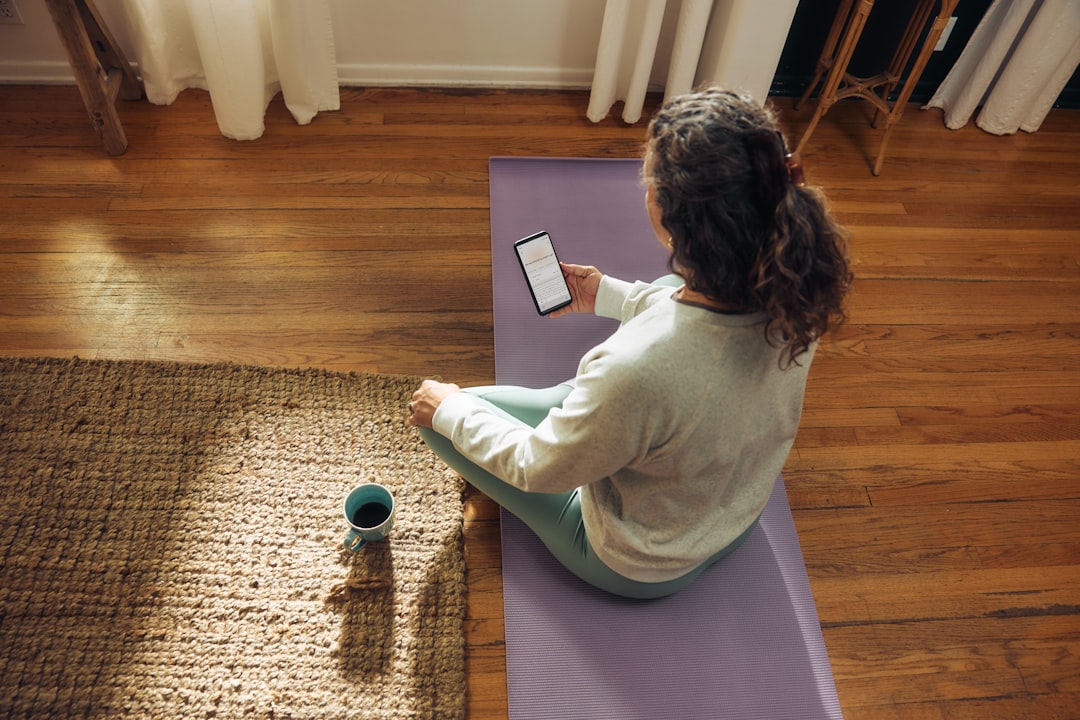
The perfect workout program means nothing without implementation. Download a highly-rated home exercise app, complete one session today, and observe how your body responds.
Start with beginner-friendly routines regardless of previous fitness experience. Learning proper form and allowing your body to adapt prevents discouragement from excessive soreness or injury.
Commit to just two weeks of consistent practice before evaluating results. This timeframe allows initial adaptations while establishing routine without overwhelming long-term pressure.
Remember that every fitness expert, athlete, and transformation success story started with a single workout. Your journey toward improved health, strength, and confidence begins with that same simple action—pressing play and moving your body with intention.
