Anúncios
Weight loss teas have become increasingly popular as a natural, flavorful way to support metabolism and help shed unwanted pounds. But which ones truly work?
The global tea market continues to expand, with wellness-focused consumers seeking beverages that deliver both taste and health benefits. From green tea’s antioxidant properties to hibiscus’s ability to regulate blood pressure, certain teas offer scientifically-backed support for weight management when combined with a balanced lifestyle.
Understanding which teas genuinely contribute to weight loss, how they work, and the best ways to incorporate them into your daily routine can make the difference between temporary results and lasting success. Let’s explore the science-backed options that deliver real results.
🍵 Green Tea: The Weight Loss Champion
Green tea consistently ranks as the most researched beverage for weight management. Its powerful combination of catechins, particularly epigallocatechin gallate (EGCG), and caffeine creates a thermogenic effect that boosts metabolism by 4-5% according to multiple clinical studies.
A 2009 meta-analysis published in the International Journal of Obesity reviewed 11 studies and found that participants who consumed green tea lost an average of 1.31 kg more than control groups over 12 weeks. While this might seem modest, it represents consistent, sustainable weight loss without drastic dietary changes.
The mechanism works through several pathways:
- Enhanced fat oxidation during exercise and rest periods
- Improved insulin sensitivity, reducing fat storage signals
- Appetite regulation through hormonal balance
- Increased energy expenditure throughout the day
For optimal results, consume 3-5 cups daily, preferably 30 minutes before meals. Brew at 160-180°F (70-80°C) for 2-3 minutes to preserve catechins without extracting excessive bitterness. Matcha, a concentrated powdered form, delivers approximately 137 times more EGCG than regular brewed green tea.


Timing Your Green Tea Intake
Strategic timing amplifies green tea’s benefits. Morning consumption jumpstarts metabolism and provides sustained energy without the jitters associated with coffee. Pre-workout doses enhance fat burning during exercise by up to 17%, according to research from the American Journal of Clinical Nutrition.
Avoid drinking green tea immediately after meals, as tannins can interfere with iron absorption. Wait at least 60 minutes post-meal, or consume it before eating to leverage its appetite-suppressing properties.
☕ Oolong Tea: The Metabolism Accelerator
Positioned between green and black tea in oxidation levels, oolong tea offers a unique polyphenol profile that targets stubborn fat. A study conducted at the University of Tokushima found that participants who drank oolong tea burned 2.9% more calories daily compared to water drinkers.
The semi-oxidized leaves contain both catechins and theaflavins, creating a synergistic effect on fat metabolism. Research published in the Chinese Journal of Integrative Medicine demonstrated that oolong tea consumption for six weeks resulted in a 2.4 kg average weight reduction, with significant decreases in body fat percentage.
Oolong particularly excels at mobilizing visceral fat — the dangerous fat surrounding internal organs linked to metabolic syndrome. Daily consumption of 300ml significantly reduced waist circumference in overweight participants within 12 weeks.
Best Oolong Varieties for Weight Loss
Different oolong styles offer varying benefits:
- Tie Guan Yin (Iron Goddess): Lighter oxidation, higher catechin content, excellent for daytime metabolism boost
- Da Hong Pao (Big Red Robe): Medium oxidation, balanced energy, ideal for afternoon consumption
- Oriental Beauty: Higher oxidation, lower caffeine, suitable for evening drinking without sleep disruption

🌺 Hibiscus Tea: The Bloat Buster
Hibiscus tea delivers weight loss through multiple mechanisms beyond simple water retention reduction. Rich in anthocyanins and flavonoids, this crimson beverage inhibits the production of amylase, an enzyme that breaks down starches and sugars.
A 12-week study published in Food & Function Journal showed that participants consuming hibiscus extract experienced reduced body weight, BMI, and hip-to-waist ratio. The subjects lost an average of 1.8 kg without other dietary modifications.
The diuretic properties eliminate excess water weight while maintaining electrolyte balance, unlike harsh pharmaceutical diuretics. This makes hibiscus particularly effective for combating menstrual bloating and sodium-induced water retention.
Brew 1-2 teaspoons of dried hibiscus flowers in 8 oz of boiling water for 5-7 minutes. The tart, cranberry-like flavor pairs well with stevia or a touch of honey, though consuming it unsweetened maximizes benefits.
🫖 White Tea: The Gentle Fat Fighter
Often overlooked, white tea contains the highest concentration of antioxidants among all tea varieties due to minimal processing. Research from Nutrition and Metabolism journal revealed that white tea extract simultaneously boosts lipolysis (fat breakdown) and prevents adipogenesis (new fat cell formation).
The delicate leaves undergo no oxidation, preserving catechins in their most potent form. A German study found that white tea extract increased fat breakdown by 70% while reducing fat cell formation by 22% in laboratory settings.
Its lower caffeine content (15-30 mg per cup versus 35-70 mg in green tea) makes white tea ideal for caffeine-sensitive individuals or evening consumption. The mild, slightly sweet flavor requires no additions, keeping calorie content at zero.
Silver Needle vs. White Peony
Silver Needle (Bai Hao Yin Zhen) represents the premium tier, composed entirely of unopened buds. It delivers maximum antioxidant content with exceptional smoothness. White Peony (Bai Mu Dan) includes both buds and leaves, offering a more robust flavor at a lower price point while maintaining substantial weight loss benefits.
🌿 Pu-erh Tea: The Fat-Blocking Specialist
This fermented Chinese tea develops unique compounds through microbial aging that specifically target fat digestion. Pu-erh tea contains statins—natural compounds that lower cholesterol and triglyceride levels.
A study in the Journal of Agricultural and Food Chemistry demonstrated that pu-erh supplementation reduced triglyceride concentrations by 17% and LDL cholesterol by 22% over eight weeks. Participants also experienced a 2.6 kg average weight reduction.
The fermentation process produces lovastatin, the same compound found in prescription cholesterol medications, though in much smaller, naturally-occurring amounts. This makes pu-erh particularly beneficial for individuals with metabolic syndrome or high cholesterol alongside weight management goals.
Aged pu-erh (5+ years) develops deeper, earthy flavors and increased potency. Ripe (shou) pu-erh undergoes accelerated fermentation, while raw (sheng) pu-erh ages naturally, becoming smoother and more valuable over time.
🍃 Yerba Mate: The Energy-Boosting Alternative
Though technically not tea (from the Camellia sinensis plant), yerba mate deserves mention for its impressive thermogenic properties. This South American beverage contains caffeine, theobromine, and theophylline—three stimulants that work synergistically to increase calorie burning.
Research from the Laboratory of Nutrition and Functional Foods in Brazil showed that yerba mate consumption increased fat oxidation by 24% during moderate-intensity exercise. Participants burned an additional 88 calories during 30-minute workouts when consuming yerba mate beforehand.
The sustained energy release prevents the crash associated with coffee, making it excellent for extended workout sessions or replacing multiple cups of coffee throughout the day. Each cup contains approximately 85 mg of caffeine—slightly more than green tea but less than coffee.
📊 Comparing Tea Types for Weight Loss
| Tea Type | Caffeine (mg/cup) | Primary Mechanism | Best Time to Drink | Expected Results (12 weeks) |
|---|---|---|---|---|
| Green Tea | 35-70 | Fat oxidation, metabolism boost | Morning, pre-workout | 1.3-2.5 kg |
| Oolong Tea | 40-60 | Visceral fat reduction | Mid-morning, afternoon | 2.0-2.8 kg |
| Hibiscus Tea | 0 | Water retention, carb blocking | Anytime | 1.5-2.2 kg |
| White Tea | 15-30 | Fat cell prevention | Evening, anytime | 1.0-1.8 kg |
| Pu-erh Tea | 60-80 | Fat digestion blocking | After meals | 2.2-3.0 kg |
| Yerba Mate | 85 | Thermogenesis, appetite control | Morning, pre-exercise | 1.8-2.6 kg |
🔬 The Science Behind Tea and Weight Loss
Understanding the biological mechanisms helps optimize tea consumption for maximum benefit. Polyphenols, particularly catechins, activate brown adipose tissue (BAT)—metabolically active fat that burns calories to generate heat.
Research from Tufts University demonstrated that EGCG supplementation increased BAT activity by 19%, resulting in an additional 100-150 calories burned daily without exercise modification. Over time, this creates a substantial caloric deficit supporting gradual, sustainable weight loss.
Tea polyphenols also modulate gut microbiota composition. A 2019 study in Molecular Nutrition & Food Research found that green tea consumption increased populations of beneficial bacteria like Akkermansia muciniphila, associated with improved metabolic health and reduced obesity risk.
Hormonal Benefits of Regular Tea Consumption
Beyond direct fat burning, tea influences key hormones regulating appetite and metabolism:
- Leptin sensitivity: Improved signaling reduces hunger and increases satiety
- Ghrelin suppression: Lower levels of this “hunger hormone” decrease cravings
- Insulin regulation: Enhanced sensitivity reduces fat storage signals
- Cortisol modulation: L-theanine reduces stress-induced belly fat accumulation
☑️ Creating Your Personalized Tea Protocol
Combining multiple tea types throughout the day maximizes complementary benefits. Here’s a science-based daily schedule:
6:00 AM – Green Tea or Yerba Mate: Kickstart metabolism with high-catechin options. Add lemon juice to increase catechin absorption by up to 13 times.
10:00 AM – Oolong Tea: Maintain elevated metabolic rate during peak activity hours. Perfect mid-morning pick-me-up without excessive caffeine.
2:00 PM – White Tea: Gentle afternoon boost that won’t interfere with evening sleep while continuing fat cell prevention.
6:00 PM – Pu-erh Tea: Consume 30 minutes after dinner to block dietary fat absorption and aid digestion.
8:00 PM – Hibiscus Tea: Caffeine-free option reduces bloating and provides relaxing evening ritual.
Preparation Techniques That Matter
Water temperature and steeping time dramatically affect compound extraction. Using boiling water on delicate white or green teas destroys catechins and creates bitterness. Follow these guidelines:
- White tea: 160-170°F, 4-5 minutes
- Green tea: 160-180°F, 2-3 minutes
- Oolong tea: 185-205°F, 3-5 minutes
- Pu-erh tea: 205-212°F, 3-4 minutes
- Hibiscus tea: 212°F (boiling), 5-7 minutes
Invest in a variable temperature kettle for precision, or simply let boiling water cool for 1-2 minutes before pouring over delicate teas.
⚠️ Common Mistakes That Sabotage Results
Even beneficial teas become counterproductive with poor practices. Avoid these frequent errors:
Adding Sugar or Honey: Each teaspoon adds 16-21 calories and spikes insulin, counteracting metabolic benefits. Train your palate to appreciate natural flavors, or use stevia if necessary.
Drinking Too Late: Caffeinated teas consumed after 4 PM disrupt sleep quality. Poor sleep elevates cortisol and ghrelin while reducing leptin—a hormonal combination promoting weight gain.
Expecting Magic: Tea supports weight loss but doesn’t replace fundamental caloric deficit requirements. A comprehensive 2010 meta-analysis found tea catechins enhanced weight loss by approximately 1.3 kg over 12 weeks—meaningful but modest. Combine tea consumption with mindful eating and regular movement.
Using Low-Quality Products: Cheap tea bags often contain dust and fannings—the lowest-grade leaves with minimal active compounds. Loose-leaf teas from reputable sources deliver 2-3 times more beneficial polyphenols.
💪 Amplifying Results with Synergistic Strategies
Certain combinations and practices enhance tea’s weight loss properties beyond simple consumption:
Cold Brewing: Steeping tea in cold water for 6-12 hours extracts fewer tannins while preserving catechins, creating a smoother, less bitter beverage. Cold green tea maintains EGCG content while being more palatable for increased daily consumption.
Intermittent Fasting Partnership: Consuming green or oolong tea during fasting windows amplifies fat oxidation without breaking the fast. The minimal caloric content (2-3 calories per cup) maintains autophagy while providing appetite suppression.
Exercise Timing: Drinking green tea or yerba mate 30-60 minutes before cardio increases fat utilization as fuel. A study in Medicine & Science in Sports & Exercise found this timing increased fat oxidation by 17% during moderate-intensity exercise.
Lemon Addition: Citrus juice stabilizes tea catechins in the alkaline environment of the intestine, increasing bioavailability. Research from Purdue University showed vitamin C increased catechin absorption by up to 1,300%.
🌟 Real-World Success Stories and Expectations
Setting realistic expectations prevents disappointment and supports long-term adherence. Clinical studies consistently show weight loss tea drinkers lose 1-3 kg more than control groups over 12 weeks—approximately 0.25-0.75 kg per week.
This gradual approach proves more sustainable than crash diets. A 2018 follow-up study tracked participants for 18 months after initial weight loss. Those who maintained tea consumption preserved 78% of their weight loss, compared to only 32% among those who discontinued the habit.
Individual results vary based on baseline metabolism, dietary quality, activity level, and genetic factors. Some people respond dramatically to tea catechins due to genetic variations in COMT enzyme activity, while others show modest benefits.
🛡️ Safety Considerations and Contraindications
While generally safe, excessive tea consumption or specific health conditions require caution:
Pregnant or nursing women should limit caffeine intake to 200 mg daily (approximately 3 cups of green tea). Hibiscus tea specifically should be avoided during pregnancy due to potential uterine effects.
Individuals with iron deficiency should separate tea consumption from iron-rich meals by at least 2 hours, as tannins inhibit non-heme iron absorption by up to 64%.
Those taking blood thinners should consult physicians before consuming large quantities of green tea, which contains vitamin K that may interfere with medication efficacy.
Excessive consumption (10+ cups daily) may lead to caffeine-related side effects: anxiety, insomnia, digestive upset, or increased heart rate. Start with 2-3 cups daily and gradually increase based on tolerance.
🏆 Selecting Quality Teas for Maximum Benefit
Product quality directly impacts results. Premium loose-leaf teas contain significantly higher polyphenol concentrations than budget options:
Organic Certification: Reduces pesticide exposure and typically indicates superior growing practices that enhance antioxidant development.
Origin Transparency: Reputable sellers specify exact growing regions. Japanese sencha, Chinese Longjing, and Taiwanese oolong represent gold standards in their categories.
Harvest Date: Green and white teas lose potency over time. Purchase from sellers providing harvest dates and consume within 6-12 months for optimal freshness.
Third-Party Testing: Look for heavy metal testing certificates, particularly for teas from regions with industrial pollution concerns.
Expect to invest $15-30 per 100g for quality loose-leaf tea. While this exceeds grocery store bag prices, the superior compound concentration and ability to re-steep leaves 2-3 times provides better value and results.
🎯 Building Sustainable Habits for Lasting Results
The most effective weight loss tea is the one you’ll drink consistently for months and years. Focus on building enjoyable rituals rather than forcing unpleasant compliance:
Experiment with different varieties to discover personal preferences. Some people adore green tea’s grassy notes, while others prefer oolong’s complexity or hibiscus’s tartness.
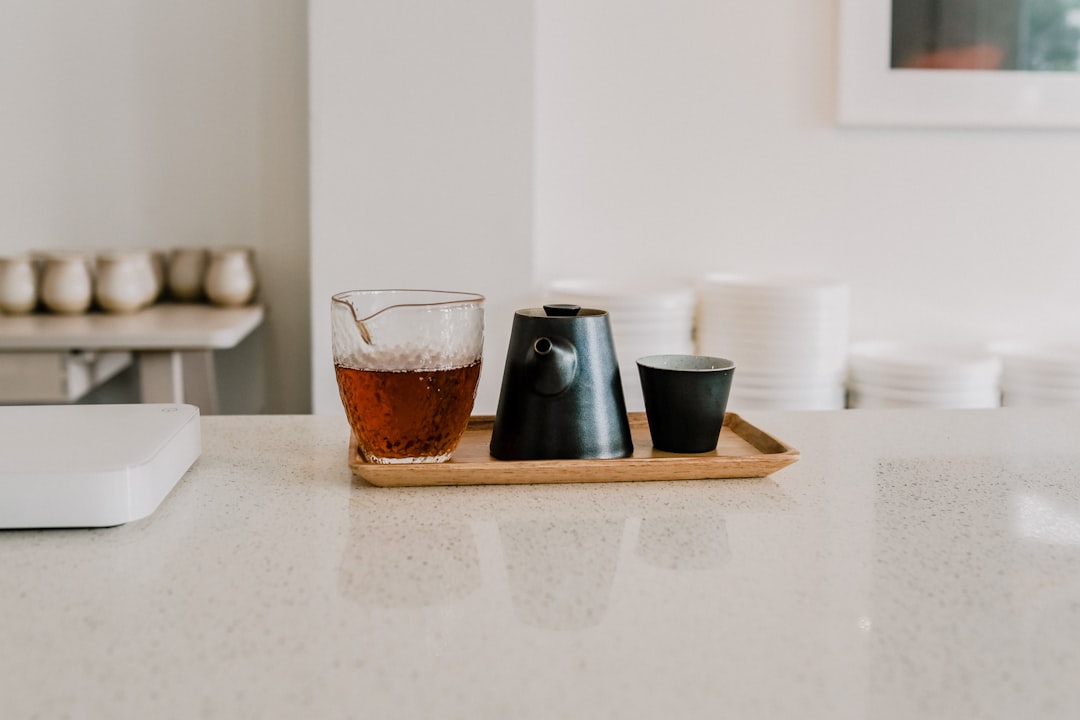
Invest in quality preparation tools: a variable-temperature kettle, beautiful teaware, and proper storage containers. These investments transform tea drinking from a chore into a cherished self-care practice.
Track your consumption and results using apps or journals. Seeing patterns between tea intake, energy levels, and weight changes reinforces positive behaviors.
Remember that weight loss tea serves as one component of comprehensive wellness. Combine regular consumption with whole foods, adequate sleep, stress management, and joyful movement for transformative, sustainable results that extend far beyond the number on the scale.
