Anúncios
Managing your daily tasks and routines has never been easier thanks to modern planning apps designed to streamline your productivity and bring order to your busy life.
In today’s fast-paced world, juggling work commitments, personal goals, social activities, and self-care can feel overwhelming. Traditional paper planners have their charm, but they lack the flexibility and smart features that digital solutions offer. That’s where routine planning apps come into play, transforming how we organize our days and achieve our goals.
These powerful tools don’t just track appointments—they help you build sustainable habits, prioritize what truly matters, and create a balanced lifestyle. Whether you’re a busy professional, a student managing coursework, or a parent coordinating family schedules, the right planning app can become your most valuable digital companion.
Why You Need a Routine Planning App in Your Life 📱
The human brain is remarkable, but it wasn’t designed to remember every appointment, deadline, and task simultaneously. Studies show that we make thousands of decisions daily, and decision fatigue is real. A routine planning app serves as your external brain, freeing up mental space for creativity and problem-solving.
Beyond simple reminders, these apps provide structure and accountability. When you externalize your plans into a digital system, you create clarity about what needs to happen and when. This reduces anxiety and gives you a satisfying sense of control over your time.
The best planning apps adapt to your unique lifestyle rather than forcing you into rigid templates. They grow with you, learning your patterns and helping you optimize your schedule based on real data about how you actually spend your time.


Essential Features to Look For 🔍
Not all routine planning apps are created equal. Understanding which features matter most will help you choose the right tool for your specific needs and preferences.
Intuitive Task Management
The foundation of any good planning app is robust task management. Look for apps that let you create tasks quickly, set priorities, add context through notes or attachments, and organize items into projects or categories. Drag-and-drop functionality makes rescheduling effortless when life inevitably throws curveballs your way.
Recurring tasks are particularly important for routine planning. Your app should handle daily, weekly, monthly, and custom repeat patterns without making you recreate the same task over and over.
Calendar Integration and Time Blocking
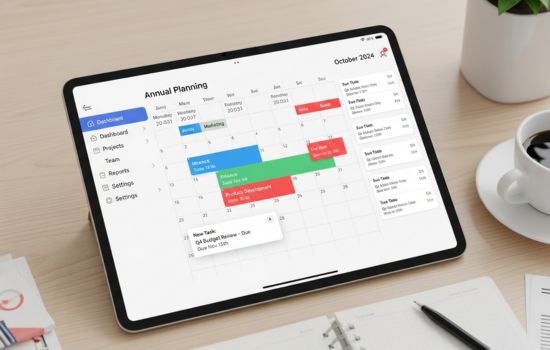
Seamless calendar integration allows you to see tasks alongside scheduled events, giving you a complete picture of your day. Time blocking features let you allocate specific hours to particular activities, ensuring important work gets dedicated focus time rather than leftover minutes.
Some advanced apps even suggest optimal times for tasks based on your energy patterns and existing commitments, using smart algorithms to maximize your productivity.
Habit Tracking Capabilities
Building lasting routines requires consistent habit formation. Look for apps that include habit trackers with visual progress indicators like streaks, charts, or completion percentages. These gamification elements tap into our natural desire for achievement and make routine-building genuinely enjoyable.
The ability to track multiple habits simultaneously—from drinking enough water to maintaining a meditation practice—helps you develop a holistic routine that supports your overall wellbeing.
Cross-Platform Synchronization ☁️
Your planning system should follow you everywhere. Cloud synchronization ensures that whether you’re on your phone during your commute, your tablet at home, or your computer at work, you always access the same updated information.
This seamless experience across devices prevents the frustration of outdated information and makes your planning system truly portable and reliable.

How Planning Apps Transform Your Daily Life ✨
The impact of a well-implemented planning system extends far beyond simple organization. Users consistently report transformative changes in multiple areas of their lives.
Reduced Stress and Mental Clutter
When you trust your planning system, you stop carrying mental checklists everywhere. That nagging worry about forgetting something important fades because you know your app will remind you at the right time. This psychological relief creates space for presence and enjoyment in whatever you’re doing.
Many users describe feeling lighter and more relaxed after just a few weeks of consistent planning app use, as if they’ve finally put down a heavy backpack they didn’t realize they were carrying.
Improved Time Awareness
Planning apps reveal how you actually spend your time versus how you think you spend it. This awareness is eye-opening and often surprising. You might discover that tasks you assumed took hours are actually completed in thirty minutes, or that small interruptions consume far more time than you realized.
Armed with accurate time data, you can make informed decisions about commitments, set realistic expectations, and allocate your hours to align with your true priorities.
Consistent Progress Toward Goals
Big goals feel overwhelming when viewed as single massive tasks. Planning apps help you break ambitious objectives into manageable daily actions. Each small step gets scheduled and tracked, creating steady momentum that compounds over time.
Whether you’re learning a language, training for a marathon, or building a business, consistent small actions tracked in your planning app create remarkable results that sporadic bursts of effort never achieve.
Building Routines That Actually Stick 💪
Having a planning app is one thing; using it effectively to build lasting routines is another. These strategies help you maximize your app’s potential.
Start Small and Build Gradually
The temptation when starting with a new planning app is to create an elaborate system immediately. Resist this urge. Begin with just your most critical tasks and appointments. Once that becomes comfortable, gradually add more elements like habit tracking or detailed time blocking.
This incremental approach prevents overwhelm and allows you to develop sustainable planning habits rather than abandoning the system after an enthusiastic but unsustainable start.
Establish a Consistent Planning Ritual
Successful planners don’t just use their apps reactively—they schedule regular planning sessions. Many people find success with a weekly review on Sunday evenings and a brief daily check-in each morning. These rituals ensure your system stays current and aligned with your evolving priorities.
During your weekly review, celebrate completed items, reschedule what didn’t happen, and set intentions for the coming week. This reflection creates learning and improvement rather than just mechanical task completion.
Embrace Flexibility Within Structure
The goal of routine planning isn’t rigid adherence to a perfect schedule—it’s creating enough structure to support your goals while maintaining flexibility for life’s inevitable changes. Your planning app should accommodate both planned activities and spontaneous opportunities.
Build buffer time into your schedule, use priority systems to identify what’s truly non-negotiable, and give yourself permission to adjust plans when circumstances change or when you simply need rest.
Common Mistakes to Avoid 🚫
Even with the best intentions, people often stumble with planning apps. Awareness of these pitfalls helps you sidestep them.
Over-Planning Every Minute
Scheduling every single minute creates a brittle system that collapses when anything takes longer than expected or when unexpected demands arise. Leave white space in your schedule for transitions, overruns, and breathing room. Your planned routine should feel supportive, not suffocating.
Collecting Tasks Without Reviewing
Your planning app can quickly become a graveyard of abandoned tasks if you only add items without regularly reviewing and clearing them. Old, irrelevant tasks create noise that obscures what actually matters. Regular cleanup sessions keep your system lean and trustworthy.
Ignoring Energy and Context
Not all hours are equally productive for all tasks. Deep analytical work might be best scheduled for your peak mental energy hours, while routine administrative tasks can fill lower-energy periods. The best planning considers not just when you’re free, but when you’re optimally suited for each type of activity.
Context tags like location, required tools, or energy level help you batch similar tasks and choose appropriate activities based on your current circumstances and capacity.
Customizing Your Planning System 🎨
The most effective planning systems reflect individual preferences and circumstances. Don’t be afraid to experiment and personalize your approach.
Visual vs. List-Based Planning
Some people thrive with visual calendar views that show time blocks and appointments spatially. Others prefer clean task lists organized by priority or context. Many apps offer multiple views—try them all to discover what resonates with your brain.
Color coding can enhance visual planning by allowing instant recognition of task categories, priority levels, or life areas at a glance.
Notification Preferences
Strategic notifications keep you on track without becoming annoying interruptions. Customize notification timing based on task type—an important meeting might need multiple reminders, while a flexible personal task might only need one gentle nudge.
Consider quiet hours during focused work sessions or family time when notifications are suppressed, maintaining boundaries that protect your attention and presence.
Measuring Success and Refining Your Approach 📊
Continuous improvement transforms a basic planning system into a finely-tuned personal productivity engine. Most quality planning apps include analytics or review features that provide insights into your patterns.
Track completion rates to understand if you’re overcommitting or setting realistic daily goals. Notice which types of tasks consistently get postponed—this might indicate misalignment with your priorities or unrealistic expectations about available time.
Periodic reflection on what’s working and what isn’t allows you to adjust your system before frustration builds. Your planning approach should evolve as your life circumstances and priorities change.
The Balance Between Planning and Living 🌈
The ultimate purpose of routine planning isn’t to create a perfectly optimized life where every moment is scheduled and productive. It’s to reduce friction around what matters, free up mental resources, and create space for what brings meaning and joy.
Your planning app is a tool in service of your life, not the other way around. The best planning systems are those you barely notice—they work quietly in the background, supporting your intentions without demanding constant attention or creating additional stress.
When planning feels burdensome rather than helpful, it’s time to simplify. Strip away unnecessary complexity and return to the basics: what needs to happen, when, and how will you remember? Everything beyond those fundamentals is optional enhancement, valuable only if it genuinely serves you.
Making the Most of Your Chosen App 🚀
Once you’ve selected a routine planning app that fits your needs, commitment to learning its features pays dividends. Many apps offer tutorials, templates, and user communities where you can discover creative applications you might never have considered.
Invest time in proper setup initially—creating thoughtful categories, establishing sensible defaults, and configuring integrations with other tools you use. This foundation makes daily use effortless and intuitive.
Remember that mastery develops gradually through consistent use. The app that feels awkward in week one becomes second nature by week six. Give yourself grace during the learning curve, and don’t judge the tool’s value based solely on initial impressions.
Your Journey Toward Better Routines Starts Now ⏰
The gap between where you are and where you want to be often isn’t about working harder—it’s about working smarter. A routine planning app bridges that gap by bringing intentionality, structure, and awareness to how you spend your irreplaceable time.
Whether your goal is professional productivity, personal development, better work-life balance, or simply feeling less overwhelmed by daily demands, the right planning system makes the journey smoother and more enjoyable.
The perfect time to start organizing your routines was yesterday. The second-best time is right now. Download a quality planning app, commit to using it consistently for at least three weeks, and watch as clarity replaces chaos in your daily experience.
Your future self—the one who accomplishes meaningful goals, maintains healthy habits, and actually has time for what matters—will thank you for taking this simple but transformative step today.
