
Anúncios
Learning martial arts has never been more accessible, thanks to mobile apps designed to bring training directly to your fingertips, anytime and anywhere.
Whether you’re interested in karate, judo, taekwondo, or general self-defense techniques, mobile applications now offer structured programs that guide you through fundamental movements, advanced combos, and conditioning exercises. These digital platforms combine video demonstrations, step-by-step tutorials, and personalized training plans to help beginners start their journey and experienced practitioners sharpen their skills.
The beauty of these apps lies in their flexibility. You don’t need expensive gym memberships, rigid class schedules, or specialized equipment to begin. With your smartphone or tablet, you can transform any space into your personal dojo and train at your own pace, reviewing techniques as many times as needed until they become second nature.
🥋 Why Choose Mobile Apps for Martial Arts Training
Traditional martial arts instruction remains valuable, but digital training solutions offer unique advantages that complement or even substitute conventional methods. Mobile apps provide on-demand access to expert instruction, allowing you to train during early mornings, late evenings, or whenever your schedule permits.


Cost efficiency stands out as a major benefit. Monthly subscriptions for martial arts apps typically range from free to $15, whereas traditional dojo memberships can easily exceed $100 monthly. This price difference makes martial arts training accessible to people who might otherwise be unable to afford formal classes.
Apps also eliminate geographical barriers. Whether you live in a remote area without nearby martial arts schools or travel frequently for work, your training continues uninterrupted. The consistency these platforms enable often translates to faster skill development than sporadic in-person classes.
Personalized Learning Paths 📱
Most quality martial arts apps assess your current skill level through initial questionnaires or diagnostic exercises. Based on your responses, they create customized training programs that match your abilities and goals. Beginners receive foundational techniques and basic stances, while advanced users access complex combinations and competitive strategies.
This adaptive approach prevents the frustration that occurs when instruction moves too quickly or too slowly. You control the progression, spending extra time on challenging techniques without holding back a class or feeling rushed through material you’ve already mastered.
🥊 Core Features Found in Top Martial Arts Apps
High-quality martial arts training applications share several essential characteristics that distinguish them from basic video collections. Understanding these features helps you select platforms that deliver genuine learning value rather than superficial content.
Video Demonstrations with Multiple Angles
Effective apps provide high-definition video tutorials filmed from multiple perspectives. Front, side, and rear angles help you understand proper body positioning, weight distribution, and movement flow. Slow-motion replays break down complex techniques into manageable components, revealing subtle details that separate correct execution from common mistakes.
The best platforms include both full-speed demonstrations showing techniques in action and frame-by-frame analysis highlighting critical points. This dual approach builds understanding of both the final movement and the specific mechanics that produce it.
Structured Curriculum and Belt Progression
Reputable apps organize content into logical progression systems, often mirroring traditional belt ranking structures. You advance through white, yellow, orange, green, blue, brown, and black belt levels by mastering designated techniques and completing skill assessments.
This gamification element provides motivation and clear milestones. Each achievement unlocks new techniques and challenges, maintaining engagement throughout your training journey. Progress tracking features display completed lessons, training time, and skill improvements, offering tangible evidence of your development.
Interactive Training Modes
Advanced applications incorporate interactive elements that simulate real practice sessions. Some use motion-sensing technology to track your movements through your device’s camera, providing immediate feedback on form accuracy. Others include timed drills that challenge you to execute specific combinations within set intervals, building speed and muscle memory.
Virtual sparring modes present animated opponents performing attacks, requiring you to respond with appropriate defensive maneuvers. These interactive sessions develop reaction time and decision-making skills that static video tutorials cannot provide.

🛡️ Self-Defense Training Through Mobile Platforms
Self-defense applications focus specifically on practical techniques for real-world situations rather than sport competition or traditional forms. These platforms teach you how to recognize dangerous scenarios, maintain awareness of your surroundings, and respond effectively to physical threats.
Courses typically begin with situational awareness training, helping you identify potential dangers before they escalate. You learn to read body language, recognize pre-attack indicators, and position yourself advantageously in various environments.
Practical Techniques for Common Threats
Self-defense apps emphasize simple, high-percentage techniques that work under stress with minimal training. Rather than complex martial arts sequences, instruction focuses on escaping grabs, defending against strikes, and creating distance to flee dangerous situations.
Common modules include:
- Wrist release techniques for various grab scenarios
- Defense against chokes from front and rear positions
- Ground escape methods when taken down or mounted
- Striking vulnerable targets to create escape opportunities
- Weapon awareness and disarming fundamentals
These applications stress the legal and ethical dimensions of self-defense, teaching appropriate force levels and de-escalation strategies. Understanding when and how to defend yourself legally protects you from criminal charges after defensive actions.
Stress Inoculation and Scenario Training
Quality self-defense apps incorporate scenario-based training that simulates the psychological stress of real confrontations. Through timed drills, surprise attack simulations, and decision-making exercises, you develop the mental conditioning necessary to respond effectively under pressure.
These exercises train your brain to bypass the freeze response that often paralyzes untrained people during attacks. Repeated exposure to simulated threats builds confidence and automatic responses that activate when needed most.
🥋 Discipline-Specific Training: Karate, Judo, and Beyond
While some apps offer general martial arts instruction, specialized platforms focus exclusively on individual disciplines. These dedicated applications provide deeper, more authentic training in specific styles, complete with terminology, philosophy, and traditional techniques.
Karate Training Applications
Karate apps teach the striking-based martial art that emphasizes powerful punches, kicks, knee strikes, and open-hand techniques. Training modules cover the foundational elements that define karate practice:
Kihon (basics) sections drill fundamental stances, blocks, strikes, and kicks until they become reflexive. You practice each technique repeatedly, developing proper form and power generation through hip rotation and body mechanics.
Kata (forms) modules guide you through choreographed sequences that encode karate principles and techniques. Apps provide front-facing demonstrations you can mirror, along with detailed breakdowns explaining each movement’s application and meaning.
Kumite (sparring) training teaches timing, distance management, and combination techniques. While apps cannot replicate full-contact sparring, they offer shadow sparring drills, combination sequences, and reaction exercises that develop fighting skills.
Judo and Grappling Programs
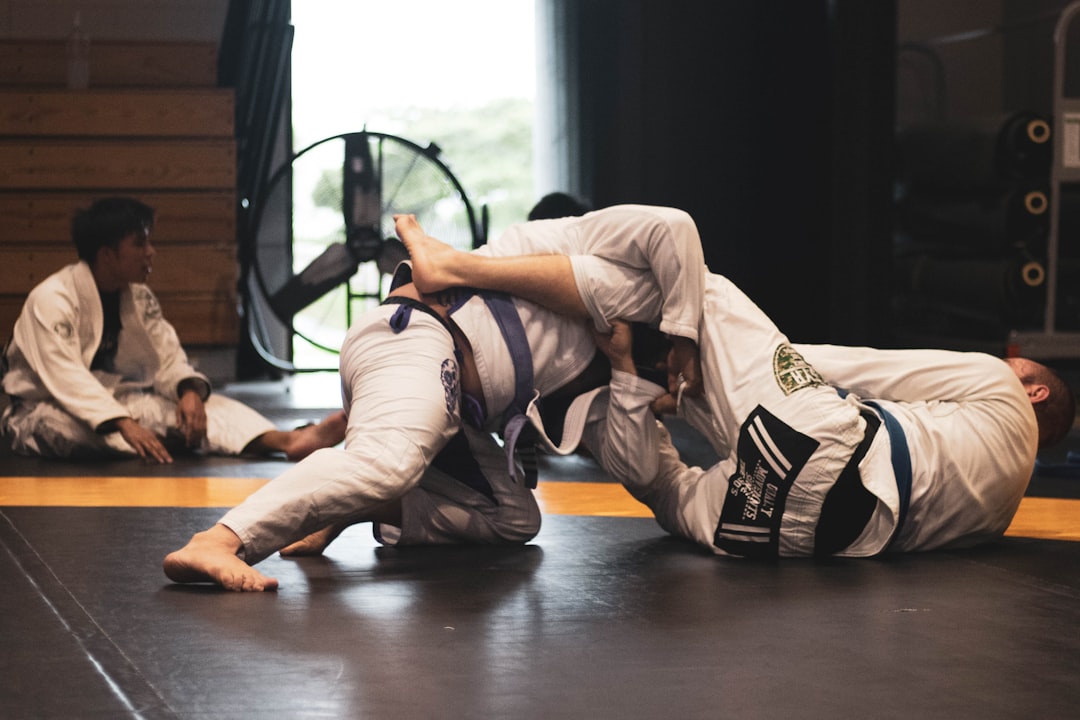
Judo applications focus on throwing techniques, takedowns, pins, and submissions that characterize this grappling martial art. The curriculum emphasizes balance disruption, leverage, and timing rather than strength.
Learning judo through apps presents unique challenges since the art requires partner interaction. Quality platforms address this limitation through:
- Solo drilling exercises that build movement patterns and muscle memory
- Uchi-komi (entry repetitions) practiced against resistance bands or fixed objects
- Detailed grip fighting instruction explaining hand positioning and control
- Newaza (groundwork) techniques including pins, escapes, and submissions
- Ukemi (breakfall) training to fall safely when thrown
These applications work best when combined with occasional partner training, even informal practice with friends. The app provides technical knowledge and solo conditioning, while partner sessions develop timing and application skills.
💪 Fitness and Conditioning Components
Martial arts training demands more than technique—you need strength, flexibility, endurance, and explosive power. Comprehensive apps integrate martial arts-specific conditioning programs that develop the physical attributes required for effective practice.
Strength Training for Martial Artists
Martial arts strength programs differ from general bodybuilding routines. Instead of isolating individual muscles, exercises focus on functional movements that improve fighting performance. Bodyweight circuits, resistance band work, and dynamic movements build practical strength without requiring gym equipment.
Common exercises include:
| Exercise Type | Primary Benefits | Example Movements |
|---|---|---|
| Explosive Push-Ups | Punching power, upper body strength | Clapping push-ups, plyo push-ups |
| Single-Leg Squats | Kicking strength, balance | Pistol squats, Bulgarian split squats |
| Core Rotations | Hip power, throwing strength | Russian twists, wood choppers |
| Grip Work | Grappling strength, control | Towel hangs, finger push-ups |
Flexibility and Mobility Training
High kicks, deep stances, and grappling positions require exceptional flexibility. Apps provide progressive stretching routines that safely increase range of motion over weeks and months. Dynamic stretches prepare your body for training, while static holds after workouts improve long-term flexibility.
Targeted routines address common tight areas for martial artists: hip flexors, hamstrings, shoulders, and thoracic spine. Improved flexibility not only enables advanced techniques but also reduces injury risk during intense training.
📊 Tracking Progress and Setting Goals
Effective apps include robust progress tracking systems that record your training history, skill development, and physical improvements. These features transform scattered practice sessions into structured programs with measurable outcomes.
Training logs automatically record completed sessions, time spent practicing, and techniques mastered. Visual charts display your activity over weeks and months, highlighting consistency patterns and identifying gaps in your routine. This data-driven approach keeps you accountable and motivated.
Goal Setting and Achievement Systems
The best platforms help you establish specific, measurable objectives rather than vague aspirations. Instead of “get better at karate,” you set goals like “master all yellow belt kata within 8 weeks” or “hold horse stance for 3 minutes.”
Achievement badges, certificates, and ranking systems provide recognition for milestones reached. These gamification elements satisfy our natural desire for accomplishment, making training more engaging and consistent. Sharing achievements with app communities adds social motivation and friendly competition.
👥 Community Features and Social Learning
Training alone offers flexibility but lacks the camaraderie and shared learning of group classes. Modern martial arts apps bridge this gap through integrated social features that connect practitioners worldwide.
Community forums let you ask technique questions, share training experiences, and receive feedback from fellow students and instructors. Video submission features allow you to upload practice footage for form checks and technique corrections from experienced members.
Some platforms organize virtual tournaments and challenges where users submit videos of specific techniques or forms. Judges score performances, creating competitive opportunities without geographical limitations. These events motivate consistent training and provide benchmarks for measuring your skills against others at similar levels.
Finding Training Partners Near You
Several apps include location-based features that connect nearby users interested in partner training. You can arrange meetups for controlled sparring, drilling techniques that require a partner, or simply finding training buddies for motivation and accountability.
These connections often evolve into informal training groups that meet regularly, combining app-based instruction with live practice. The hybrid approach delivers benefits of both digital learning and traditional partner work.
🎯 Choosing the Right App for Your Needs
The growing martial arts app market offers numerous options at various price points and quality levels. Selecting the platform that matches your specific requirements ensures you invest time and money wisely.
Key Evaluation Criteria
Before committing to an app, assess these critical factors:
Instructor credentials—Research the instructors creating content. Look for legitimate black belt rankings, competition experience, or teaching certifications in their respective styles. Quality instruction comes from genuine experts, not self-proclaimed masters.
Content depth—Evaluate whether the app offers comprehensive curriculum or just scattered techniques. Structured programs that build skills progressively deliver better results than random video collections.
Production quality—Professional video production with clear audio, multiple camera angles, and good lighting makes techniques easier to learn. Poorly filmed content frustrates learning and wastes your time.
Update frequency—Active platforms regularly add new content, fix bugs, and improve features. Apps abandoned by developers soon become outdated and unsupported.
User reviews—Read feedback from current users about effectiveness, customer support, and actual results. Patterns in reviews reveal strengths and weaknesses better than marketing claims.
Free vs. Paid Options
Many quality apps offer freemium models with basic content accessible at no cost and premium features requiring subscriptions. Free tiers let you test the platform before committing financially, ensuring compatibility with your learning style.
Paid subscriptions typically unlock complete technique libraries, personalized training plans, form check submissions, and ad-free experiences. Monthly costs range from $5-15, while annual subscriptions often provide 30-50% savings compared to monthly billing.
Consider whether you’ll actually use premium features before subscribing. If basic techniques and standard workouts meet your needs, free versions may suffice. Serious students pursuing belt progression and comprehensive training benefit from full access.
🏠 Creating Your Home Training Space
Effective app-based training requires appropriate practice space, even if minimal. You don’t need a dedicated dojo, but certain environmental factors optimize learning and safety.
Clear a training area measuring at least 6 feet by 6 feet, providing room for kicks, movements, and exercises without hitting furniture or walls. Hardwood floors work well for karate and striking arts, while yoga mats or puzzle mats cushion falls and groundwork for judo training.
Essential Equipment for Home Practice
While apps emphasize equipment-free training, a few basic items enhance your practice:
- Heavy bag or freestanding bag—Develops striking power and conditioning ($100-300)
- Focus mitts—Useful when training with partners for accuracy drills ($20-40)
- Resistance bands—Builds strength and mimics certain grappling movements ($15-30)
- Full-length mirror—Essential for checking form and correcting mistakes ($30-100)
- Puzzle mats—Protects joints during groundwork and breakfall practice ($50-150)
Start with minimal equipment and add items as your training progresses and you identify specific needs. Many practitioners train effectively for months using only their body weight and a small clear space.
⚠️ Safety Considerations and Injury Prevention
Training without direct instructor supervision requires heightened awareness of safety principles. Apps provide excellent technical instruction but cannot physically stop you from overtraining or using improper form that causes injury.
Always begin sessions with proper warm-up routines that prepare your muscles, joints, and cardiovascular system for intense activity. Dynamic stretches, light cardio, and movement-specific drills reduce injury risk significantly compared to jumping directly into techniques.
Recognizing and Respecting Your Limits
The flexibility to train anytime creates temptation to overtrain, especially when motivated and seeing rapid progress. Your body needs adequate recovery between intense sessions—typically 48 hours for the same muscle groups.
Listen to pain signals. Sharp pain indicates potential injury and demands immediate rest. Dull muscle soreness from exertion is normal and manageable, but joint pain, tendon discomfort, or persistent sharp sensations require medical evaluation.
Progression should occur gradually. Attempting advanced techniques before mastering fundamentals invites injury and reinforces bad habits. Trust the app’s curriculum structure rather than skipping ahead to flashy moves that exceed your current skill level.
🌟 Maximizing Your Learning and Retention
Effective learning requires more than watching videos—you need deliberate practice strategies that convert information into skill. Apps provide content, but your training approach determines actual improvement rate.
Repetition builds mastery. Practice each technique dozens of times before moving forward. Muscle memory develops through consistent repetition, not intellectual understanding. Perform movements slowly at first, focusing on correct form rather than speed or power.
Record yourself practicing and compare your execution to app demonstrations. This self-analysis reveals discrepancies you cannot feel during movement. Many practitioners discover significant form differences they weren’t aware of until reviewing footage.
Consistent Training Schedules
Brief, regular practice sessions produce better results than occasional marathon workouts. Training 30 minutes daily builds skills faster than practicing 3 hours once weekly. Consistency creates habit, maintains conditioning, and reinforces techniques before they fade from memory.
Schedule training sessions like important appointments. Morning practice works well for many people, completed before daily obligations create excuses. Others prefer evening sessions as stress relief after work. Find the timing that fits your lifestyle and commit to it.
Mobile apps make this consistency achievable by eliminating travel time and schedule coordination required for traditional classes. Your dojo exists in your pocket, available whenever you have 20-30 minutes to train.
🚀 Taking Your Skills Beyond the App
While apps provide excellent foundational training, eventually most serious practitioners seek in-person instruction to refine techniques and test skills against live opponents. Digital learning prepares you exceptionally well for this transition.
Students who complete app-based programs often join traditional dojos at intermediate levels rather than starting as complete beginners. The technical knowledge, physical conditioning, and basic skills developed through app training accelerate your progression once you begin sparring and advanced instruction.
Many martial artists use apps as supplementary training alongside regular classes. The app provides additional practice opportunities, conditioning workouts, and technique reference between dojo sessions. This blended approach maximizes improvement by combining expert personal instruction with flexible self-directed training.
Competition represents another progression path. Once you’ve developed solid fundamentals through app training and partner practice, local tournaments test your skills against opponents of similar experience. These experiences build confidence, reveal areas needing improvement, and connect you with the broader martial arts community.
Apps have democratized martial arts training, making quality instruction accessible regardless of location, schedule, or budget. Whether you’re pursuing fitness, self-defense capability, competition skills, or traditional martial arts mastery, mobile platforms provide structured paths toward your goals. The discipline, persistence, and dedication required remain unchanged from traditional training—but now the dojo is wherever you are, ready whenever you’re committed to practice.
